Quick Answer
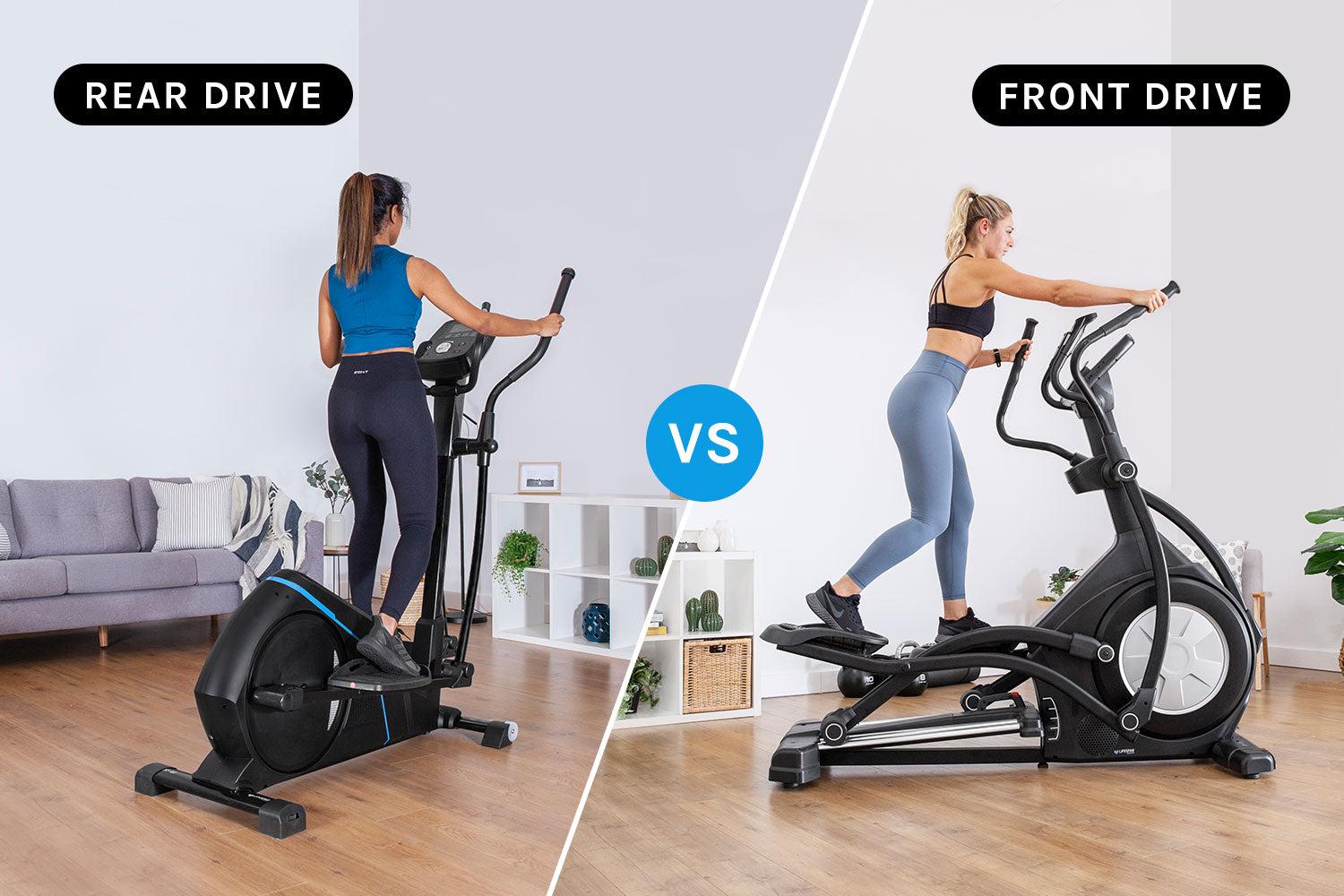
Front-drive ellipticals place the main drive mechanism toward the front of the machine, while rear-drive models position it behind the pedals. Front-drive designs are often more compact in length, while rear-drive designs may offer a different, more elongated movement feel. Neither design is automatically better. The right choice depends on stride comfort, stability, dimensions, and your workout preferences.
When shopping for an elliptical, you may notice that some machines are described as front-drive models while others use a rear-drive design. At first glance, the difference may seem minor, but the location of the drive mechanism can influence the machine’s layout, pedal motion, and overall footprint.
Understanding the difference between front drive elliptical machines and rear-drive models can help you make a better buying decision, especially if you are setting up a home gym and need equipment that fits your body and available space.
This guide compares both designs, explains their potential advantages and disadvantages, and highlights the specifications that matter more than drive location alone.
What Is a Front-Drive Elliptical?
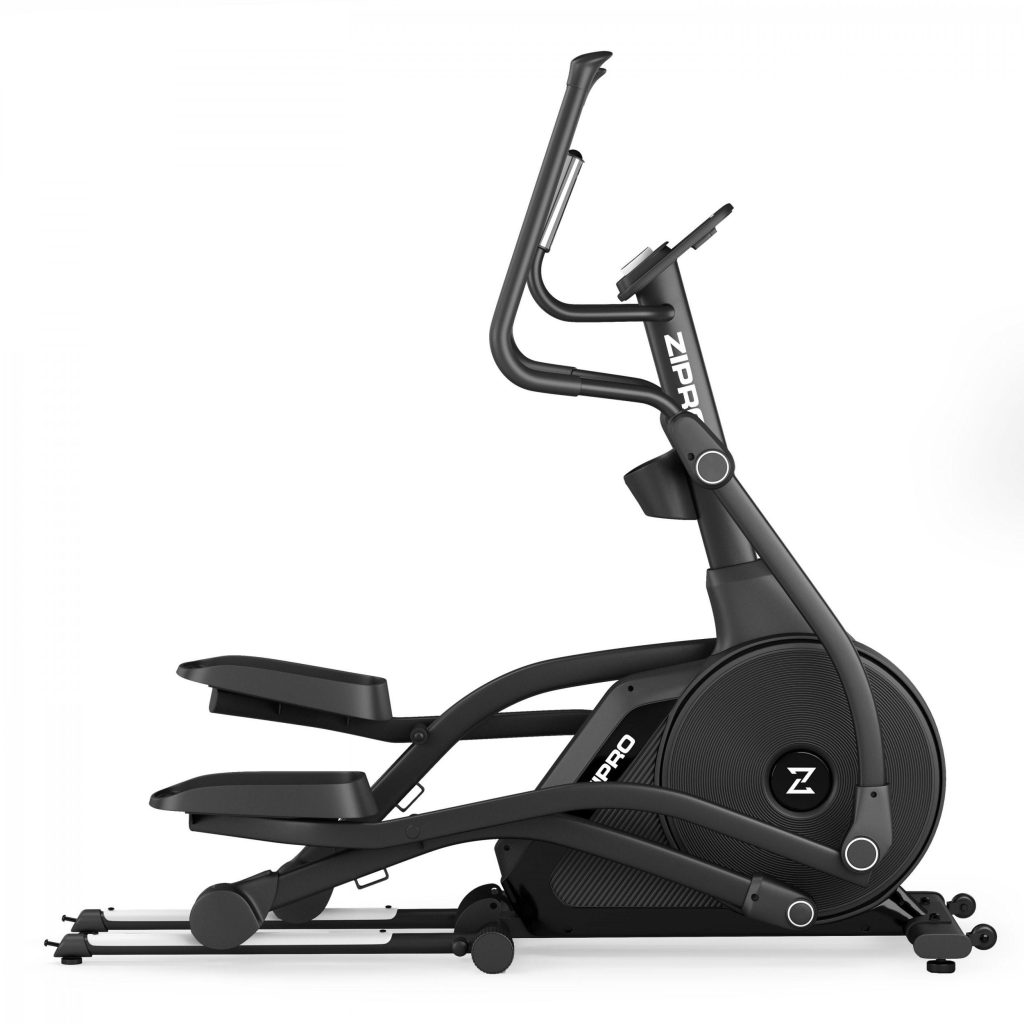
A front-drive elliptical has its primary drive assembly positioned toward the front of the machine, generally near the console and handlebars. The pedal mechanism connects to the drive system and follows a guided elliptical movement.
Many front-drive machines use a design that places more of the mechanical assembly in front of the user. Depending on the model, this can create a relatively compact layout compared with some rear-drive alternatives.
Potential advantages
- Can offer a relatively space-efficient layout.
- May be available at different home-gym price points.
- Provides a guided pedal motion suitable for general cardio workouts.
- Offers a wide range of console, resistance, and handlebar configurations.
Potential drawbacks: Some models may have a different pedal path or feel less natural to certain users. The actual experience depends on the machine’s geometry and construction.
What Is a Rear-Drive Elliptical?
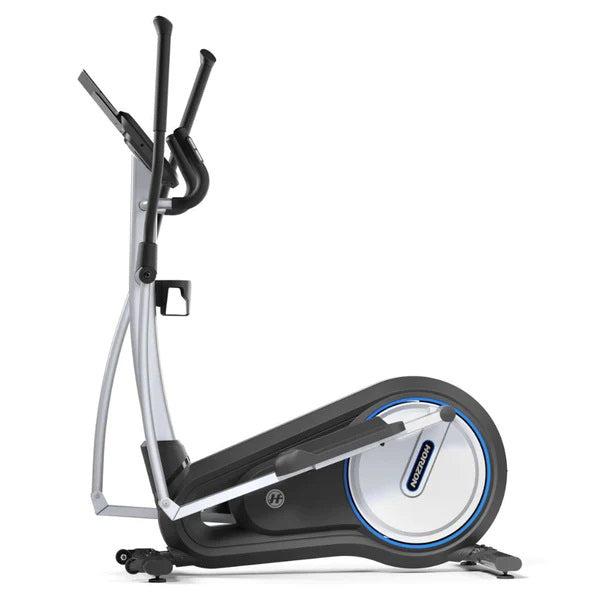
A rear-drive elliptical places its main drive assembly toward the back of the machine, behind the user’s foot pedals. This configuration is common in some traditional elliptical designs.
The drive location and linkage arrangement influence how the pedals travel. Some rear-drive machines provide a smooth, elongated elliptical movement, although the exact motion varies by manufacturer and model.
Potential advantages
- May provide a movement pattern that some users find natural.
- Can offer a different weight distribution and machine layout.
- Some designs provide a longer overall frame and extended pedal path.
- Available in both home and commercial-style equipment categories.
Potential drawbacks: Certain models may require more floor space. A rear-drive configuration does not automatically mean better stability or a more comfortable stride.
Front Drive vs. Rear Drive Elliptical: Key Differences
| Feature | Front Drive | Rear Drive |
|---|---|---|
| Drive location | Toward the front of the machine. | Toward the back of the machine. |
| Frame layout | Drive assembly is concentrated near the console. | Drive assembly is positioned behind the pedal area. |
| Footprint | Some models have a relatively compact layout. | Some models have a longer overall footprint. |
| Movement feel | Depends on linkage and pedal-path geometry. | Depends on linkage and pedal-path geometry. |
| Best selection criteria | Stride comfort, stability, dimensions, and features. | Stride comfort, stability, dimensions, and features. |
The important point is that drive location alone does not determine workout quality. Two front-drive machines can feel very different, just as two rear-drive models can have different stride paths and levels of stability.
Which Design Is Better for Heavy Users?
If you are looking for a heavy-duty elliptical, do not choose a machine simply because it has a front-drive or rear-drive configuration. Instead, compare the specifications that directly affect safe and comfortable use.
Maximum user weight
Choose a machine rated above the user’s current weight. Never exceed the manufacturer’s stated limit.
Frame stability
Check the base, frame construction, assembly instructions, and whether the machine sits securely on a level floor.
Stride length
Choose a stride that feels natural for your height and leg movement.
Pedal spacing
Check whether the pedals provide comfortable foot placement and adequate grip.
For larger users, the machine’s overall construction and stated capacity are more important than whether the drive assembly is located at the front or rear.
Which Design Is Better for a Small Home Gym?
Front-drive models are sometimes marketed as space-saving options, but this is not a universal rule. A compact front-drive elliptical may take up less floor space than a particular rear-drive model, while another front-drive machine may be just as large.
Before ordering, compare the assembled dimensions rather than relying on the drive-system label.
Home-gym measurement checklist
- Measure the machine’s full assembled length and width.
- Check ceiling clearance and the height of the moving handlebars.
- Allow room to step onto and off the pedals.
- Check the delivery route, including doors and stairways.
- Follow the manufacturer’s recommended clearance around the machine.
How to Choose Between Front-Drive and Rear-Drive Models
Use the following steps to narrow down your options:
Step 1: Check the weight rating
Confirm the maximum user weight for the exact model and version. This should be your first screening criterion.
Step 2: Compare stride length
Review the advertised stride length and try the machine if possible. Make sure your legs move naturally without feeling cramped or overstretched.
Step 3: Check pedal comfort
Look at pedal width, spacing, surface grip, and the position of your feet during movement.
Step 4: Compare the footprint
Measure your available workout area and compare it with the assembled dimensions of each model.
Step 5: Review warranty and maintenance
Check coverage for the frame, drive components, and electronics. Also review the manufacturer’s maintenance schedule.
Frequently Asked Questions
Are front-drive ellipticals better than rear-drive models?
Not necessarily. Front-drive and rear-drive machines use different mechanical layouts, but neither design is automatically superior. Compare stride comfort, stability, capacity, dimensions, and warranty.
Are rear-drive ellipticals more natural to use?
Some users prefer the movement of certain rear-drive machines, but comfort depends on the individual machine’s pedal path, stride length, and geometry. Testing the model is the best way to judge fit.
Are front-drive ellipticals more compact?
Some front-drive models have a compact layout, but not all do. Compare the actual assembled dimensions of the machines you are considering.
Which elliptical drive system is better for heavy users?
Neither drive system is automatically better for heavier users. Prioritize the manufacturer’s maximum user-weight rating, frame stability, comfortable stride, and secure pedals.
Does drive location affect elliptical maintenance?
The location and design of the drive assembly can affect access to certain components. However, maintenance requirements vary by model. Follow the owner’s manual rather than assuming one configuration requires less maintenance.
Final Verdict
Front-drive and rear-drive ellipticals both have a place in home gyms. Front-drive designs may offer a compact layout, while some rear-drive models provide a movement pattern that certain users prefer. But drive location should not be the deciding factor. Choose the machine that offers the right weight capacity, comfortable stride, stable construction, and dimensions for your home.
As an Amazon Associate, HeavyDutyChoice may earn from qualifying purchases. Product specifications and availability can change; verify details on the product page before ordering.