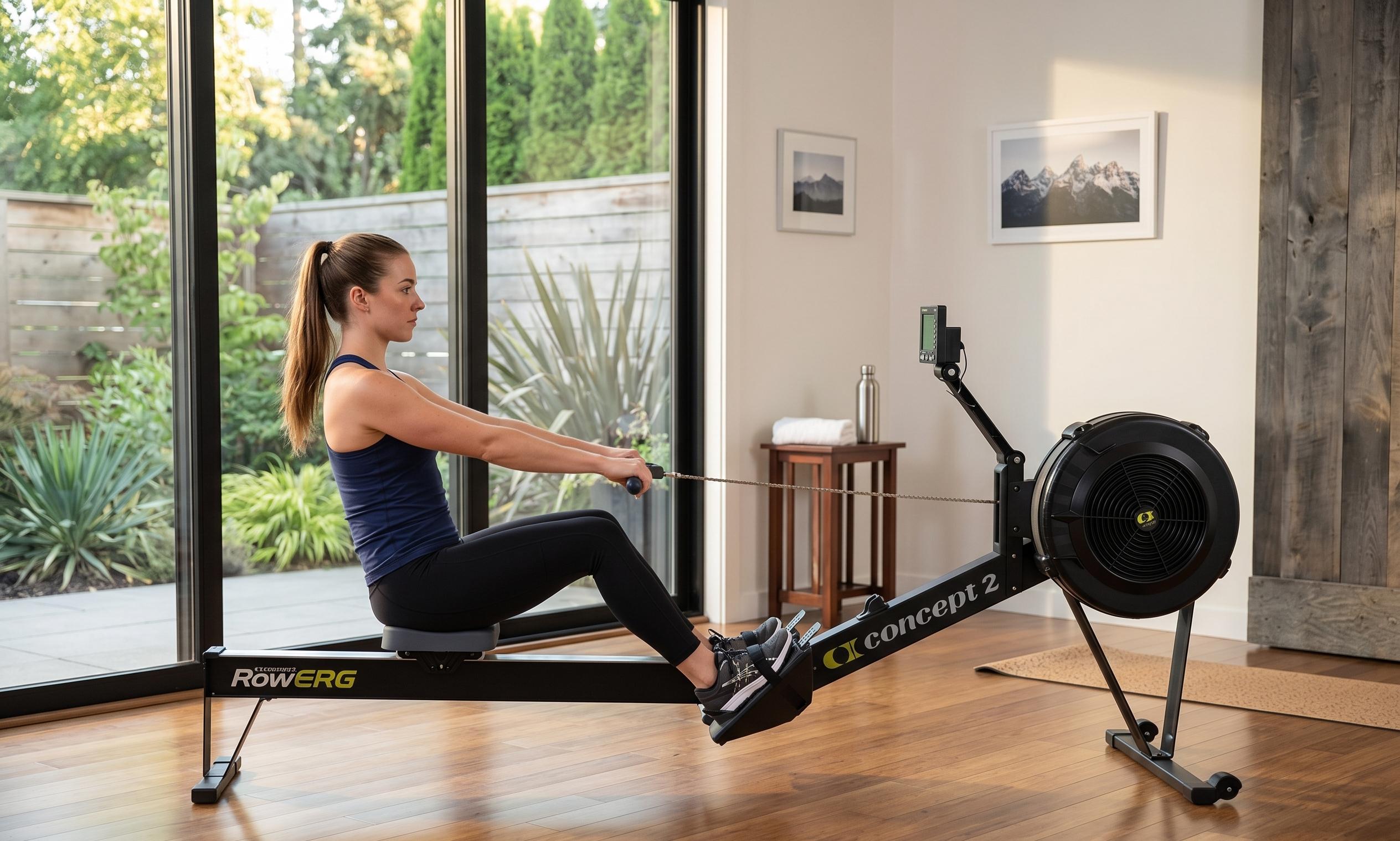
If you want a stronger core or are trying to reduce belly fat, you may be wondering whether a rowing machine can help. Rowing is often described as a full-body workout, and your abdominal muscles play an important role in every stroke.
But does a rowing machine actually work your stomach, and can it help you lose belly fat? The answer is yes for core engagement, but there is an important difference between exercising your abdominal muscles and specifically burning stomach fat.
In this guide, we explain how rowing engages your core, what it can realistically do for your midsection, and how to build a practical rowing workout for better overall fitness.
Rowing and Your Stomach
Yes, a rowing machine works your abdominal muscles, but it cannot specifically target belly fat.
Rowing engages your core to stabilize your torso and coordinate each stroke. Regular rowing can contribute to overall calorie expenditure and fitness, which may support fat loss when combined with appropriate nutrition and consistent activity.
1. Does a Rowing Machine Work Your Stomach?
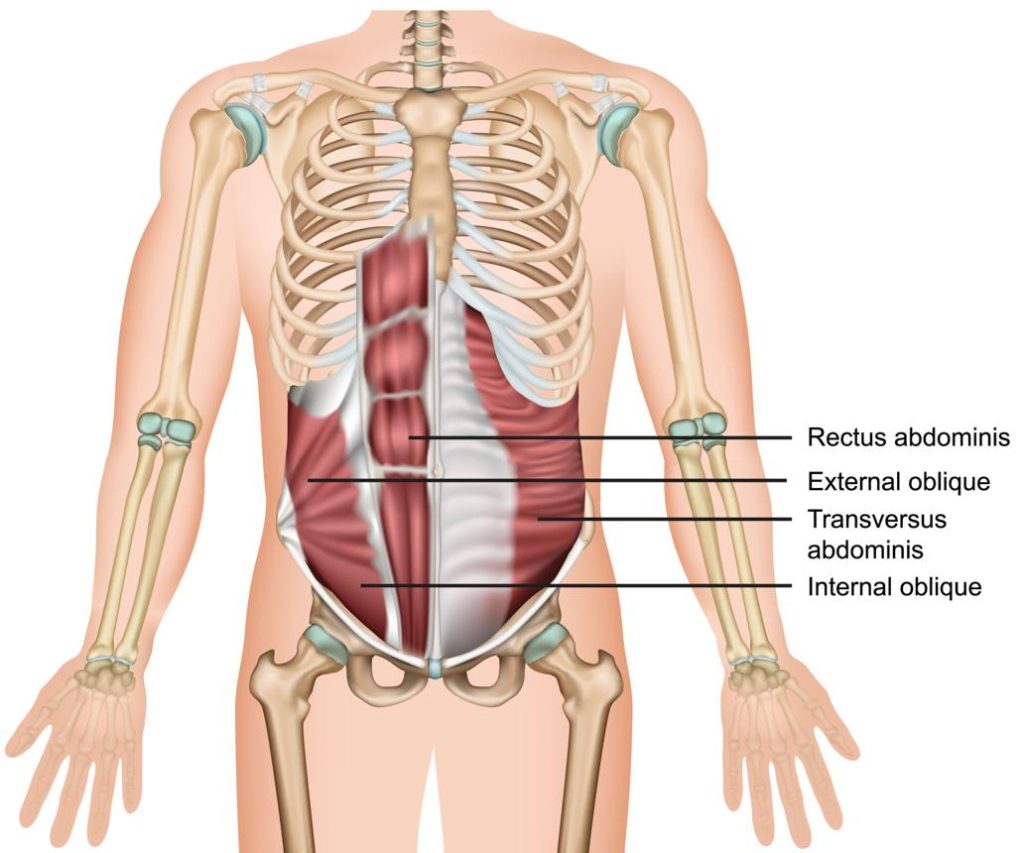
Yes. Your abdominal muscles are involved throughout the rowing stroke. They help stabilize your torso as your legs push against the footrests and your upper body pulls the handle.
However, rowing is not an abdominal isolation exercise. Your core works together with your legs, hips, and back to maintain a controlled movement.
Rectus Abdominis
The muscle commonly associated with six-pack abs. It contributes to trunk control and helps resist excessive movement during rowing.
Obliques
Located along the sides of your abdomen, these muscles help stabilize your torso and control unwanted rotation.
Deep Abdominal Muscles
Deeper trunk muscles contribute to stability and help maintain a controlled body position throughout the stroke.
Feeling your abdominal muscles working during rowing does not mean that the exercise is directly burning fat from your stomach. Muscle activation and fat loss are different processes.
2. Can a Rowing Machine Help You Lose Belly Fat?
A rowing machine can be part of a fitness routine that supports overall fat loss. It provides cardiovascular exercise while involving several major muscle groups, which can contribute to your daily energy expenditure.
However, no exercise machine can guarantee fat loss from one specific area of your body. Your body determines where it stores and loses fat, and this is influenced by factors such as genetics, overall body composition, nutrition, activity levels, and other individual factors.
How Rowing Can Support Fat Loss
Increases Energy Expenditure
Rowing requires repeated movement from your legs, hips, core, and upper body, using energy throughout the workout.
Improves Cardiovascular Fitness
Consistent rowing can improve aerobic fitness and help you build a more active routine.
Supports a Consistent Exercise Habit
An indoor rowing machine makes it easier to exercise at home without depending on outdoor conditions.
Why You Cannot Spot-Reduce Belly Fat
Spot reduction is the idea that exercising one body part will selectively remove fat from that area. For example, doing more abdominal exercises does not necessarily cause your body to burn more fat specifically around your waist.
Rowing can contribute to overall energy expenditure, but changes in abdominal fat depend on your overall activity, nutrition, and long-term energy balance.
Use rowing as one part of a consistent fitness and nutrition plan. Do not expect a particular number of minutes on the machine to remove belly fat or produce visible abs by itself.
3. Why Proper Rowing Form Matters for Your Core
Your abdominal muscles help control your torso during every rowing stroke. Good technique allows your legs, hips, and upper body to work together instead of placing unnecessary strain on one area.
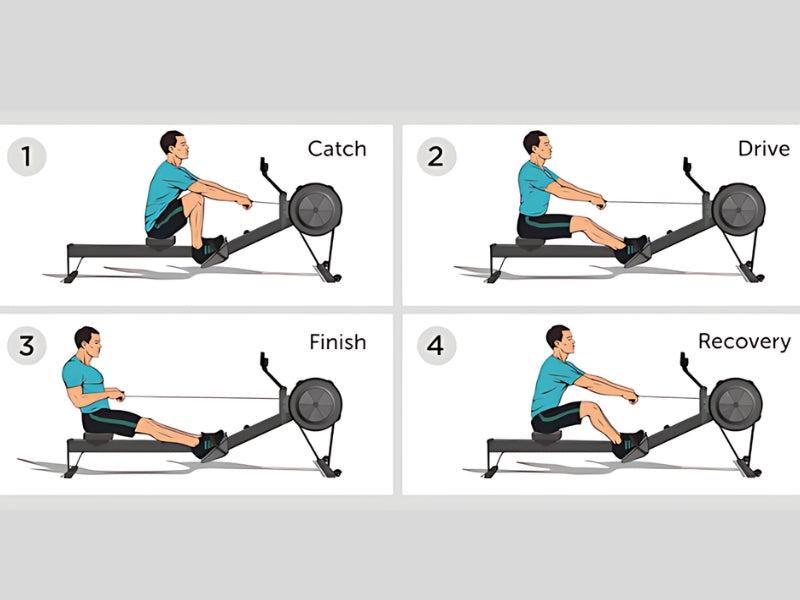
The most important principle is to keep your torso controlled while following the correct movement sequence.
Catch
Sit tall with knees bent, arms extended, and your torso leaning slightly forward from the hips.
Drive
Push with your legs first, then gradually move your torso backward while keeping your core controlled.
Finish
Pull the handle toward your lower ribs with a slight backward lean. Avoid leaning too far.
Recovery
Extend your arms, lean forward from the hips, and bend your knees to return smoothly.
Common Form Mistakes That Reduce Workout Quality
Rounding Your Lower Back
Avoid slouching or collapsing your torso at the front of the stroke. Maintain a comfortable, neutral spine.
Pulling With Your Arms First
Start the drive with your legs. Let your arms finish the stroke rather than doing all the work.
Leaning Too Far Back
An exaggerated backward lean is unnecessary. Use a small, controlled movement at the finish.
Rushing Every Stroke
Move smoothly and control the recovery phase instead of sliding forward too quickly.
For a detailed introduction to the complete movement, see our guide: How to Use a Rowing Machine: Proper Form and Beginner Tips.
4. A Beginner Rowing Workout for Overall Fitness
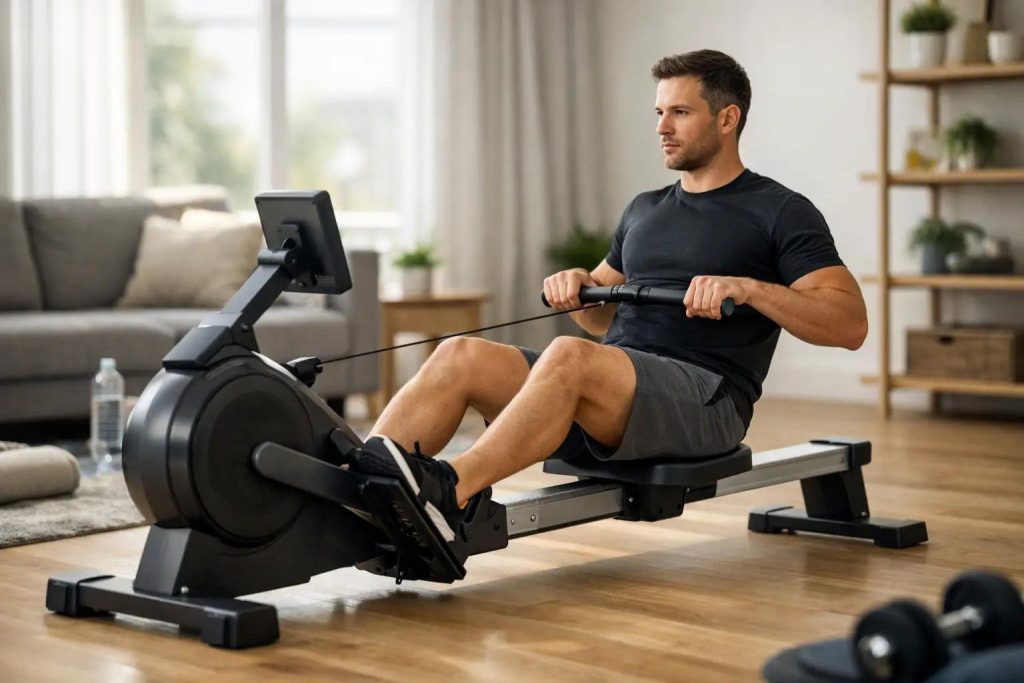
If your goal is to improve fitness and make rowing part of a consistent routine, start with manageable sessions. You do not need to begin with intense intervals or long workouts.
Beginner 15-Minute Rowing Workout
15 MINUTES
3 Minutes
Row slowly and practice the four phases of the stroke. Keep your breathing comfortable.
8 Minutes
Maintain a moderate, sustainable pace. Focus on smooth strokes and consistent technique.
4 Minutes
Gradually reduce your pace and finish with easy strokes.
How Often Should You Row?
Your training frequency should depend on your current fitness, workout intensity, and recovery. If you are new to rowing, begin with a manageable schedule rather than trying to exercise intensely every day.
These are general starting suggestions, not medical or individualized exercise prescriptions. Include recovery time and adjust your training if you experience unusual fatigue or discomfort.
5. Rowing Alone Is Not Enough: Build a Better Fat-Loss Routine
If your goal is to reduce overall body fat, a rowing machine can be one useful part of a broader routine. Combining cardio, resistance training, daily movement, and sustainable eating habits is generally more practical than relying on one exercise.
Rowing Workouts
Use steady rowing sessions or appropriately scaled intervals to improve cardiovascular fitness.
Resistance Training
Include suitable strength exercises to develop and maintain muscle throughout your body.
Sustainable Eating
Pay attention to overall food intake, balanced meals, and habits you can maintain over time.
Move More
Walking, taking movement breaks, and staying active outside workouts can contribute to your overall activity level.
Do You Need Ab Exercises Too?
Adding targeted core exercises can help develop abdominal strength and trunk control. However, these exercises should complement your rowing routine rather than replace it.
Simple Core Exercise Options
Plank
A simple exercise for practicing trunk stability.
Dead Bug
Helps practice controlled movement while keeping the trunk stable.
Bird Dog
Combines controlled arm and leg movement with core stabilization.
Choose exercises appropriate for your ability and use controlled technique. You do not need an exhausting abdominal workout after every rowing session.
6. How Long Does It Take to See Results?
There is no universal timeline for seeing changes in your waistline or abdominal definition. Results depend on your starting point, training consistency, nutrition, genetics, sleep, and overall activity.
It is more useful to track several aspects of progress rather than relying only on how your stomach looks from week to week.
Workout Consistency
Are you able to maintain a regular exercise routine?
Exercise Endurance
Can you row comfortably for longer or maintain a steady pace more easily?
Waist Measurement
If tracking body composition is appropriate for you, compare measurements under consistent conditions.
Overall Well-Being
Pay attention to energy, recovery, sleep, and how you feel during daily activities.
Avoid expecting dramatic changes in a few days. Sustainable progress usually comes from habits you can maintain over the long term.
7. Common Myths About Rowing and Belly Fat
Rowing Burns Fat Only Around Your Stomach
Reality: Rowing uses energy and can support overall fat loss, but it cannot choose where your body loses fat.
More Resistance Always Means More Belly Fat Loss
Reality: Higher resistance is not automatically better. Choose a manageable setting that allows controlled technique and a suitable training effort.
You Need to Row for an Hour Every Day
Reality: A consistent, manageable routine is more useful than suddenly doing long, exhausting sessions. Training should match your fitness and recovery.
Rowing Alone Guarantees Six-Pack Abs
Reality: Visible abdominal definition depends on overall body composition, genetics, nutrition, and training. Rowing alone cannot guarantee it.
8. Frequently Asked Questions
Does a rowing machine flatten your stomach?
Rowing can support overall fitness and energy expenditure, which may contribute to fat loss as part of a broader routine. However, it cannot specifically target stomach fat or guarantee a flatter stomach.
Does rowing work your abs?
Yes. Your abdominal muscles help stabilize your torso and coordinate movement during each stroke. They work together with your legs, hips, and back.
Can a rowing machine burn belly fat?
Rowing can contribute to overall calorie expenditure and may support general fat loss when combined with appropriate nutrition and consistent activity. It does not selectively burn belly fat.
Is rowing better than crunches for belly fat?
They serve different purposes. Rowing is a cardiovascular exercise involving many muscle groups, while crunches primarily train abdominal muscles. Neither exercise can selectively remove belly fat.
How long should I row to lose weight?
There is no single duration that guarantees weight loss. Start with a manageable session, build consistency, and gradually adjust your exercise routine according to your fitness and recovery.
Should I tighten my abs while rowing?
Keep your core engaged enough to maintain a stable, controlled torso, but avoid holding your breath or excessively tensing your abdominal muscles throughout the workout.
Can beginners use a rowing machine for weight management?
Yes, many beginners can use a rowing machine as part of a fitness routine. Start with short, comfortable sessions, learn proper technique, and increase your activity gradually.
Can a Rowing Machine Help Your Stomach?
A rowing machine definitely engages your abdominal muscles and can be an effective part of a full-body cardiovascular workout. It also helps you build a more active exercise routine.
However, rowing does not specifically burn belly fat. For better overall results, combine consistent rowing with resistance training, sustainable nutrition, and regular daily movement. Focus on long-term progress rather than quick fixes.
Explore More Rowing Machine Guides
Learn more about rowing technique, muscle engagement, and choosing the right indoor rowing equipment.