Quick Answer
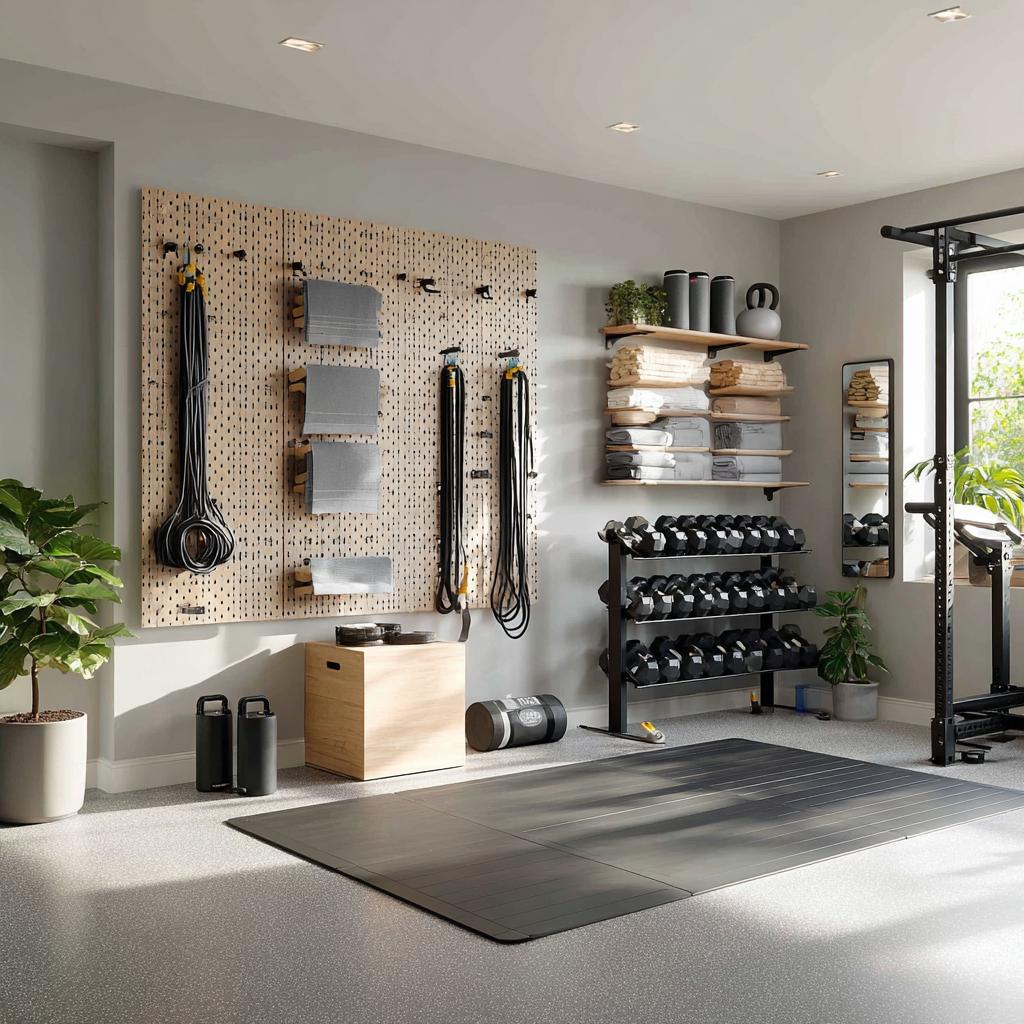
The best fitness accessories storage system depends on the equipment you own and the space available. Wall-mounted organizers work well for resistance bands and cable attachments, while dedicated racks are better for dumbbells, weight plates, and heavier equipment. A combination of wall storage, shelves, and floor racks usually creates the most practical home gym setup.
Keeping a home gym organized can be surprisingly difficult. Resistance bands, cable handles, lifting straps, collars, jump ropes, weight plates, and other small accessories can quickly spread across the floor or disappear into storage boxes.
Good fitness accessories storage makes your workout area safer, easier to use, and more efficient. Instead of searching for equipment before every session, you can keep frequently used items visible and within reach. The right organizers can also help protect your equipment and make better use of limited garage or spare-room space.
This guide covers practical home gym storage ideas, the types of organizers worth considering, and how to choose storage that can handle your equipment safely.
Best Fitness Accessories Storage Solutions
1. Wall-Mounted Gym Organizer
Wall-mounted organizers are useful for resistance bands, jump ropes, lifting belts, wrist wraps, and other lightweight accessories. They keep frequently used items visible without taking up valuable floor space.
Best for: Small accessories and compact gyms.
2. Resistance Band Storage Rack
A dedicated resistance band rack or wall hook system helps prevent bands from becoming tangled. Some organizers also provide separate hooks for handles, tubes, and accessories.
Best for: Resistance bands and mobility equipment.
3. Dumbbell Storage Rack
A dumbbell rack keeps weights off the floor and creates a dedicated storage area. Choose a rack designed for the size, shape, and total weight of your dumbbells.
Best for: Dumbbell collections and strength-training areas.
4. Weight Plate Storage Tree
A plate tree or weight plate storage rack keeps plates organized by size and helps prevent them from being left around the workout area. Check the rack’s stated capacity and plate compatibility before buying.
Best for: Olympic or standard weight plates, depending on the rack design.
5. Cable Attachment Organizer
Lat pulldown bars, triceps ropes, V-bars, and cable handles are easier to manage with a dedicated attachment holder. Look for a design that accommodates the shape and connection style of your accessories.
Best for: Home gyms with functional trainers or cable machines.
6. Barbell Storage Rack
Vertical or horizontal barbell holders can help keep barbells out of walkways. Make sure the storage system is designed for your barbell dimensions and has a suitable mounting or floor-support arrangement.
Best for: Gyms with multiple barbells or limited floor space.
7. Heavy-Duty Storage Shelving
Freestanding shelving provides flexible storage for foam rollers, yoga mats, kettlebells, boxes, and workout accessories. Select shelves with clearly stated load ratings for each shelf and for the entire unit.
Best for: Mixed equipment and larger home gyms.
8. Rolling Storage Cart
A rolling utility cart can hold smaller accessories that move between workout stations. It is especially useful when you do not want to install wall-mounted storage or permanently dedicate a shelf to every item.
Best for: Flexible layouts and multi-purpose rooms.
Compare Home Gym Storage Options
| Storage Type | Best Use | Space | Main Advantage |
|---|---|---|---|
| Wall organizer | Bands and small accessories | Wall space | Frees floor space |
| Dumbbell rack | Dumbbells | Floor space | Organizes heavy weights |
| Plate tree | Weight plates | Floor space | Keeps plates off the floor |
| Cable organizer | Cable machine attachments | Wall or floor | Keeps handles accessible |
| Storage shelving | Mixed equipment | Floor space | Flexible storage |
| Rolling cart | Portable accessories | Movable floor space | Easy to reposition |
How to Organize Fitness Accessories by Category
Keep Small Accessories Together
Resistance bands, lifting straps, wrist wraps, collars, jump ropes, and cable handles should have designated storage locations. Wall hooks, small bins, and compartment organizers can prevent these items from becoming tangled or mixed together.
Separate Heavy Equipment from Lightweight Items
Do not place heavy dumbbells or weight plates on shelves designed only for lightweight accessories. Use storage equipment with clearly documented weight limits, and place heavier items on lower shelves or dedicated floor racks.
Create a Dedicated Cable Attachment Area
If you use a cable machine, keep its most frequently used handles together. Organize attachments by function, such as pulling, pressing, and lower-body movements. This makes it easier to switch exercises without searching through a pile of equipment.
Keep Mobility Equipment Accessible
Foam rollers, yoga mats, stretching straps, and massage balls are often used before or after workouts. Store them in an open rack or accessible shelf instead of hiding them behind heavy equipment.
How to Choose the Right Fitness Accessories Storage
1. Measure Your Space
Measure the available wall and floor area before buying storage. Include enough clearance to walk around equipment and use machines safely.
2. Check Weight Capacity
Review both the overall capacity and individual shelf or hook ratings. Never assume a storage rack can support heavy weights based on its appearance.
3. Check Compatibility
Confirm that hooks, holders, and racks fit your actual equipment. Check barbell diameter, plate hole size, attachment dimensions, and mounting requirements.
4. Consider Installation
Wall-mounted organizers need suitable mounting hardware and a structurally appropriate surface. Follow the manufacturer’s installation instructions.
5. Think About Accessibility
Frequently used accessories should be easy to reach. Store heavy items at a manageable height and avoid placing equipment where it could fall into a walkway.
6. Choose Durable Materials
For heavier equipment, look for suitable metal construction, stable supports, secure joints, and a finish appropriate for your garage or workout environment.
Important Safety Tips for Heavy-Duty Home Gyms
- Check the published load rating before storing dumbbells, plates, or other heavy equipment.
- Do not exceed the rated capacity of individual shelves, hooks, or storage pegs.
- Anchor tall shelving units when required by the manufacturer.
- Keep heavy weights low to reduce tipping risks and make handling easier.
- Inspect wall mounts, fasteners, welds, and support brackets periodically.
- Keep storage racks outside the operating and walking area of treadmills, rowers, and other exercise machines.
Home Gym Storage Ideas for Different Spaces
Small Home Gym or Spare Room
Prioritize vertical storage. A wall organizer for bands and straps, a compact cable attachment holder, and a small shelf can handle many accessories without occupying much floor space. Avoid buying large storage racks before measuring the room.
Garage Gym
A garage gym usually has more room for a combination of wall-mounted organizers, shelving, dumbbell racks, and plate storage. Keep equipment away from damp areas and choose materials and finishes suitable for the garage environment.
Power Rack or Cable Machine Setup
Use rack-compatible storage pegs and dedicated cable attachment holders where appropriate. Keep attachments close to the machine but outside the movement path. Check the rack manufacturer’s compatibility requirements before purchasing add-ons.
Common Home Gym Storage Mistakes
- Buying storage before measuring: A rack that blocks a doorway or machine is not a useful upgrade.
- Overloading shelves: A storage unit’s appearance does not tell you its safe working capacity.
- Mixing everything together: Small accessories become difficult to find when they do not have assigned locations.
- Ignoring wall construction: Not every wall or mounting surface is suitable for heavy storage.
- Blocking workout space: Storage should not interfere with lifting, machine movement, or safe access.
- Choosing oversized organizers: A compact organizer may be more practical than a large rack if you own only a few accessories.
Frequently Asked Questions
What is the best way to store fitness accessories?
Use separate storage areas based on equipment type. Wall hooks or organizers work well for lightweight accessories, while dedicated racks are better for dumbbells, barbells, and weight plates.
How do I store resistance bands in a home gym?
A wall-mounted band organizer, hooks, or a small storage bin can keep resistance bands separated and easy to access. Avoid storing them in a way that creates sharp bends or unnecessary tension.
Can I use garage shelving for gym equipment?
Yes, provided the shelving is designed for the equipment’s weight and dimensions. Check the stated load capacity for each shelf, the total unit capacity, and any anchoring requirements.
How should I store heavy dumbbells?
Use a dumbbell rack specifically designed for your dumbbell type and total load. Place it on a stable, level surface and follow the rack’s weight and installation instructions.
Are wall-mounted gym organizers worth buying?
They can be worthwhile if you have limited floor space and several lightweight accessories. Make sure the wall, fasteners, and organizer are suitable for the intended load.
How can I organize a home gym on a budget?
Start by grouping equipment and assigning a storage location to each category. Add a few suitable hooks, bins, or shelves first, then purchase dedicated racks only when your equipment collection requires them.
Final Verdict: Build a Storage System That Fits Your Gym
The best fitness accessories storage system is not necessarily the largest or most expensive one. It is the setup that keeps your equipment organized, protects heavier items, and leaves enough room for safe workouts.
For a small home gym, start with wall-mounted organizers and compact shelves. For a strength-focused setup, add dedicated dumbbell, plate, and barbell storage. If you use a cable machine, a separate attachment organizer can make everyday training more convenient.
Measure your space, check load ratings, and add storage gradually as your equipment collection grows. A well-organized gym is easier to maintain and more enjoyable to use.
More Home Gym Guides
Disclosure: As an Amazon Associate, HeavyDutyChoice earns from qualifying purchases. This article may contain affiliate links, which means we may earn a commission at no additional cost to you.