Cooling Mattress Buying Guide
If you regularly wake up feeling hot, your mattress may be contributing to the problem. Some mattress materials retain more body heat than others, while mattress covers, bedding, room temperature, and personal sleep preferences can also affect comfort.
This guide compares cooling mattress features, including hybrid construction, latex, memory foam, airflow, and comfort layers, so you can make a more informed buying decision.
The best mattresses for hot sleepers are not necessarily the ones with the most cooling claims. Instead, look at the complete design: the support core, foam layers, surface fabric, and how the mattress works with your bedding. Heavier sleepers should also consider support and durability rather than choosing a mattress based on temperature alone.
Cooling Mattress Options to Compare
These are starting points for comparing different mattress designs. Cooling performance depends on the exact model and should not be assumed from a product category alone.
Hybrid Design
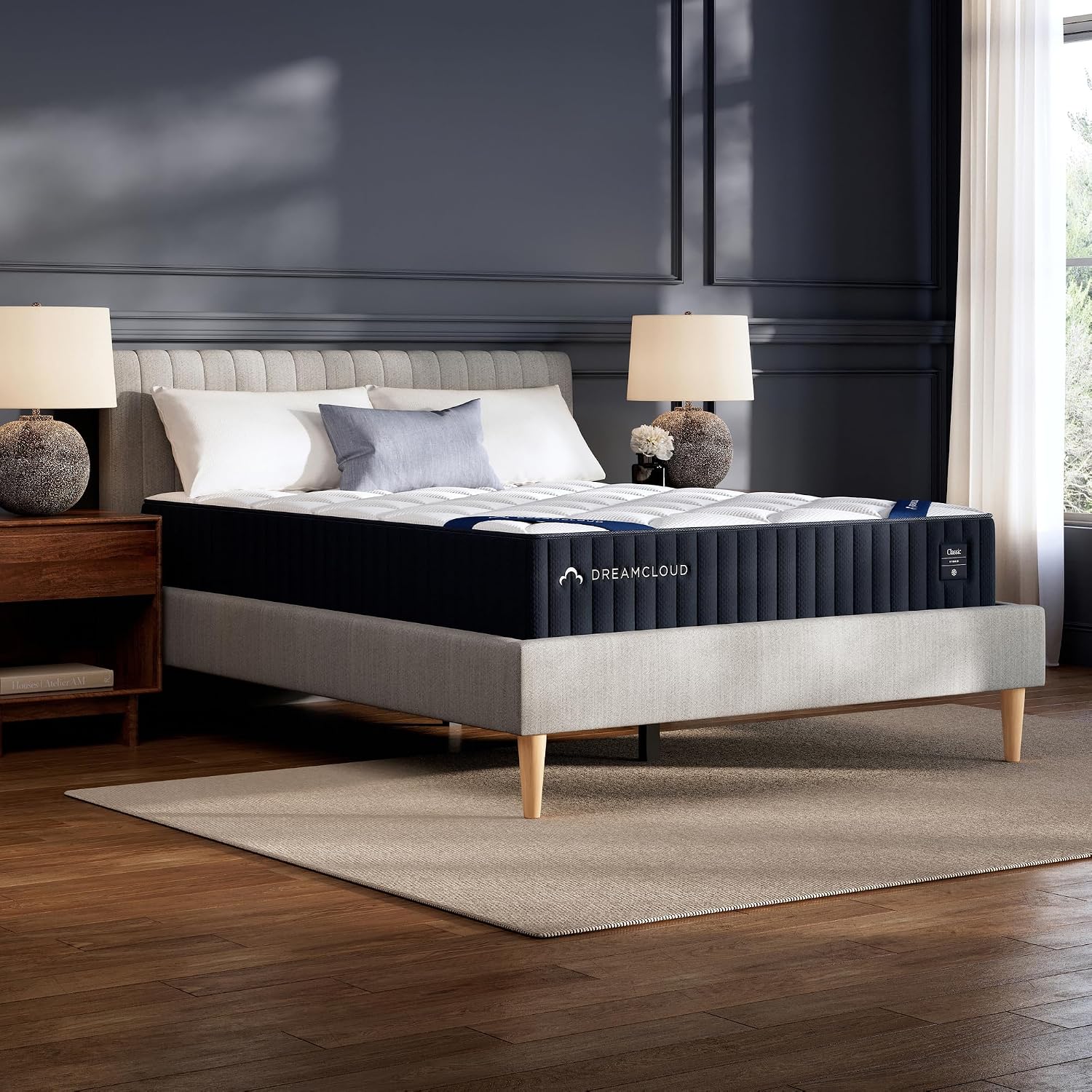
DreamCloud Classic Hybrid
A coil-and-foam construction to investigate if you want cushioning with a spring-based support core. Verify the current model’s materials and cover details.
Latex Option
Latex Mattress Options
Compare latex models if you prefer a responsive feel and want to investigate their material construction, ventilation, and firmness choices.
Memory Foam
Cooling Memory Foam Mattresses
Explore models that advertise cooling covers or specialized foam. Check the full construction rather than relying on the word “cooling.”
These links open Amazon search results, not verified individual product listings. Check the precise model, seller, cooling claims, weight guidance, and return terms before purchasing.
What Makes a Mattress Good for Hot Sleepers?
A mattress can feel warm for several reasons. Dense comfort layers may limit heat transfer, close-fitting bedding can trap warmth, and a warm bedroom can make it harder to stay comfortable. Mattress construction is only one part of the picture.
Airflow
Coil-based support systems can create open space within the mattress, although comfort layers and covers still influence the overall feel.
Comfort Layers
The type, thickness, and formulation of foam or other cushioning materials affect contouring, pressure relief, and how closely the mattress conforms to your body.
Surface Cover
Fabric, quilting, and any additional padding can affect how the sleep surface feels against your skin.
Support and Fit
A mattress still needs to provide appropriate support and pressure relief. A cooler mattress is not a good choice if it feels uncomfortable or allows excessive sinking.
Hybrid vs. Memory Foam vs. Latex
Different mattress materials can produce different temperature and comfort experiences. The table below provides a practical comparison framework rather than a guarantee that one type will sleep cooler in every situation.
| Mattress Type | Potential Advantages | What to Consider |
|---|---|---|
| Hybrid | Combines coils with cushioning layers and may provide a more open support structure. | Foam thickness, cover material, coil construction, and firmness. |
| Memory Foam | Can provide contouring and help reduce motion transfer. | Some formulations may retain more heat; check the complete construction and personal comfort preferences. |
| Latex | Often has a responsive, buoyant feel rather than a deep-hugging sensation. | Latex type, firmness, surface cover, total price, and mattress weight. |
| Traditional Innerspring | Can offer a springier feel with less thick foam than some all-foam designs. | Comfort layers, coil design, edge stability, and motion transfer. |
If you sleep hot and also need a mattress for a heavier body, consider comparing hybrid and latex models alongside other constructions. Prioritize verified weight recommendations, support, and comfort first, then use cooling features to narrow the shortlist.
Are Cooling Gel Mattresses Worth It?
Gel-infused foam and other cooling materials are common mattress features. However, the presence of gel does not automatically mean a mattress will remain cool throughout the night. The result depends on the complete design, the sleeper, and the surrounding sleep environment.
When comparing gel memory foam mattresses, look for clear information about the foam layers, cover, ventilation, and trial period. Be cautious about claims that promise a specific temperature reduction unless the manufacturer provides credible test information explaining how it was measured.
If you enjoy the contouring feel of memory foam, a model with a different foam formulation or a thinner comfort layer may be worth comparing with a traditional all-foam mattress. Your comfort during the trial period is more useful than a cooling label alone.
How Heavier Sleepers Can Choose a Cooler Mattress
A mattress may compress differently under different body weights. That can change how closely the comfort layers conform to the body and how the surface feels. Heavier sleepers should evaluate temperature, support, and durability together instead of treating cooling as the only priority.
- Compare support construction: Review the core materials, coil design, or foam specifications where available.
- Check weight guidance: Confirm the manufacturer’s limits for the exact model and size, including combined limits for couples where applicable.
- Evaluate firmness: Choose a feel that balances pressure relief with appropriate support for your sleeping position.
- Look at the cover: Check the fabric and quilting rather than relying only on claims about cooling gel.
- Read warranty conditions: Verify the foundation requirements and how the manufacturer handles sagging or indentations.
For a more detailed look at support and weight-related buying factors, visit our guide to the best mattresses for heavy people.
Other Ways to Sleep Cooler
Changing your mattress may help, but it is not the only way to make your sleep environment more comfortable. Consider the full bedding setup before investing in a new mattress.
- Choose breathable sheets that feel comfortable against your skin.
- Review mattress protectors and pads, since some can change heat and moisture retention.
- Use bedding appropriate for the room temperature and season.
- Keep the bedroom comfortably ventilated and adjust the temperature when possible.
- Check whether a mattress topper is adding an unwanted layer of insulation.
Cooling Mattress Buying Checklist
- Compare the full construction instead of relying on the word “cooling.”
- Check the cover, quilting, comfort layers, and support core.
- Confirm the mattress’s weight guidance and foundation requirements.
- Choose a firmness that matches your sleeping position and comfort needs.
- Read the trial, return, and warranty terms before ordering.
- Compare the total price and verify the exact model and seller.
Frequently Asked Questions
What type of mattress is best for hot sleepers?
Hybrid, latex, and some memory foam models are all worth comparing. Temperature comfort depends on the exact materials, mattress cover, firmness, bedding, and room conditions, so no mattress type is guaranteed to be coolest for everyone.
Does memory foam make you sleep hot?
Some memory foam mattresses can retain heat, particularly when they use thick, closely conforming comfort layers. Other formulations and designs may feel different. Review the full construction and trial terms rather than assuming every memory foam mattress performs the same way.
Are hybrid mattresses cooler than all-foam mattresses?
Some hybrids may allow more airflow through their coil systems, but the overall result also depends on foam thickness, cover materials, and bedding. Compare individual models rather than relying on the category alone.
Are cooling gel mattresses worth buying?
They may be worth considering if you like the feel of memory foam, but gel is not a guarantee of a cooler night’s sleep. Compare the complete mattress design, independent evidence where available, and the seller’s trial policy.
Can a mattress topper make a bed hotter?
Yes, some toppers add dense foam or extra padding that can change heat and moisture retention. If your bed feels too warm, consider the topper, protector, and sheets as well as the mattress itself.
Explore More Mattress Guides
Still comparing your options? Start with our Best Mattresses buying guide for an overview of mattress types and shopping considerations.
If support and durability are your main concerns, read our guide to mattresses for heavy people before choosing a model.
Disclosure: As an Amazon Associate, HeavyDutyChoice may earn from qualifying purchases. Product specifications, prices, availability, and policies can change. Verify current details with the manufacturer or seller before purchasing.