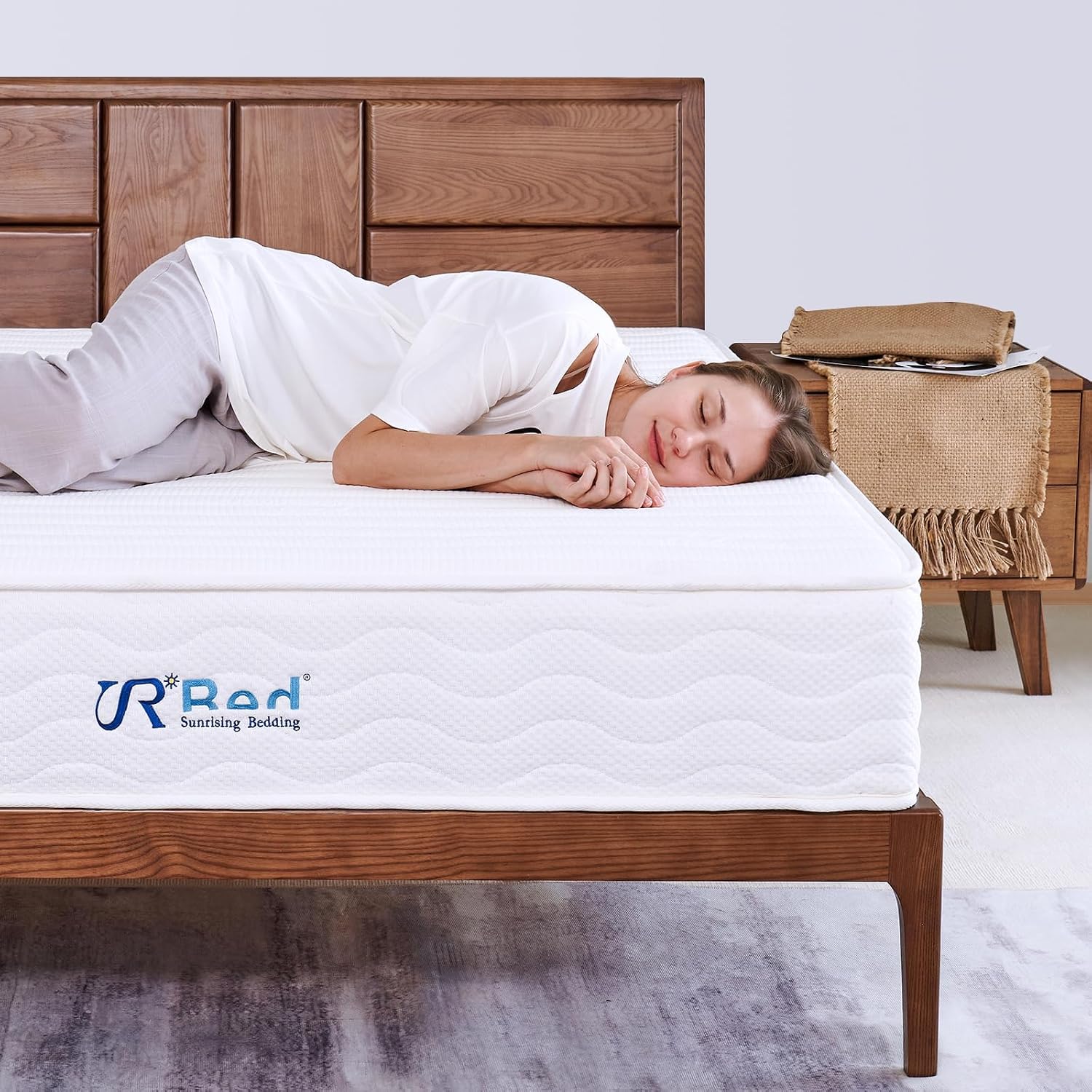
Mattress Buying Guide
Finding the best mattress for lower back pain starts with understanding how firmness, support, pressure relief, and sleeping position work together. A mattress that feels comfortable to one person may feel too soft or too firm to another, especially when body weight and preferred sleeping position differ.
This guide explains what to compare before buying, including hybrid, memory foam, and latex designs. If you are a heavier sleeper, pay particular attention to the mattress’s published weight limits, support construction, and long-term durability.
Important: A mattress may improve sleep comfort, but it is not a treatment for the underlying causes of back pain. Persistent, severe, or worsening symptoms should be discussed with a qualified healthcare professional.
What Should You Look for in a Mattress for Lower Back Pain?
When comparing the best mattresses for lower back pain, focus on how well a mattress supports your body while allowing your shoulders and hips to settle comfortably. A mattress does not need to be the firmest available to provide support, and a very soft surface is not automatically more comfortable.
Balanced Support
Look for a design that helps keep your body in a comfortable, reasonably aligned position without excessive sinking.
Pressure Relief
Comfort layers should cushion pressure points, particularly around the shoulders and hips for side sleepers.
Durable Construction
Check materials, warranty terms, sagging exclusions, and the manufacturer’s stated weight limits.
Mattress Firmness: Is Medium-Firm Best?
Medium-firm mattresses are often worth comparing because they can offer a balance of cushioning and support. However, there is no single firmness level that works for everyone. Body weight, sleeping position, mattress construction, and personal comfort all affect how firm a mattress feels.
| Firmness | Potential Benefits | What to Watch For |
|---|---|---|
| Soft | More cushioning for some lighter side sleepers. | May allow some sleepers to sink more than they find comfortable. |
| Medium to medium-firm | A useful starting point for comparing cushioning and support. | The same label can feel different across brands and body types. |
| Firm | May suit sleepers who prefer a more solid surface or need less sink. | Could create pressure around the shoulders or hips for some people. |
Instead of choosing based on the firmness label alone, check the trial period, return conditions, and whether the mattress maintains a comfortable feel in your usual sleeping position.
Mattress Types Worth Comparing
1. Hybrid Mattresses
Hybrid mattresses combine a coil support system with foam or other comfort layers. Depending on the design, they may offer a combination of cushioning, responsiveness, and airflow. They are worth comparing if you want support with a less enveloping feel than some all-foam mattresses.
For heavier sleepers, look beyond the word “hybrid.” Review the exact model’s weight limits, coil construction information, edge support details, and warranty conditions.
What to compare: Coil support, comfort-layer thickness, edge stability, cooling features, and published capacity information.
2. Memory Foam Mattresses
Memory foam conforms to the body and can reduce pressure around certain contact points. Some sleepers appreciate its close contouring, especially when sleeping on their sides. Other people find that deep contouring makes changing positions more difficult or retains more warmth than they prefer.
Compare the mattress’s firmness, foam construction, temperature-related features, and return policy rather than assuming every memory foam model feels the same.
What to compare: Comfort-layer feel, responsiveness, heat management, and how easily you can move on the surface.
3. Latex Mattresses
Latex mattresses are another option for shoppers who prefer a responsive surface. Depending on the construction, latex can feel more buoyant and less enveloping than traditional memory foam. Natural, blended, and synthetic latex products can differ substantially, so verify the actual materials listed by the manufacturer.
What to compare: Latex type, firmness, overall construction, weight limits, and the cost of returning the mattress.
How Sleeping Position Changes Your Choice
Side Sleepers
Side sleepers often need enough cushioning around the shoulders and hips to avoid excessive pressure. A mattress that feels too firm may not provide the contouring they prefer, while one that is too soft may allow uncomfortable sinking. Start with models that balance pressure relief and support.
Back Sleepers
Back sleepers may prefer a surface that supports the body without allowing the hips to sink excessively. Compare medium and medium-firm options, but use your comfort and the mattress’s actual feel as the deciding factors rather than relying on a universal firmness rule.
Stomach Sleepers
Stomach sleepers often prefer a more supportive surface that limits excessive sinking around the midsection. If you primarily sleep on your stomach, include firmer models in your comparison and check whether the surface remains comfortable for your body.
What Heavier Sleepers Should Check
For larger-bodied shoppers, a mattress that feels supportive at first may behave differently under greater sustained loads. Before buying, verify the specifications for the exact size and model rather than relying on broad marketing descriptions.
- Weight limits: Check the manufacturer’s stated capacity and whether it applies per sleeper or to the entire mattress.
- Support system: Review the coil or foam construction and any available information about reinforcement.
- Edge support: Consider whether you regularly sit on the edge or use the full width of the bed.
- Sagging policy: Read the warranty’s definition of a covered indentation and its exclusions.
- Trial and returns: Confirm the trial duration, return fees, pickup arrangements, and refund conditions.
For more details, see our guide to the best mattresses for heavy people.
Can a Mattress Topper Help?
A mattress topper can change the surface feel of an existing mattress. A softer topper may add cushioning, while a firmer-feeling topper may alter the initial sensation of the surface. However, a topper generally cannot restore a support core that has permanently sagged or repair a damaged mattress.
If your mattress has a visible dip or uneven support, investigate the cause before spending money on an accessory. Check the bed frame, foundation, and mattress warranty as well.
Related guide: Best Mattress Toppers for a Sagging Mattress.
Mattress Buying Checklist
- Choose a firmness range that suits your body weight and sleeping position.
- Compare support and pressure relief, not firmness alone.
- Check the exact mattress’s published capacity and construction.
- Review temperature, motion transfer, and edge support if these affect your sleep.
- Read the trial, return, warranty, and sagging terms before ordering.
- Confirm the product size and model name before completing your purchase.
Frequently Asked Questions
What is the best mattress firmness for lower back pain?
There is no single firmness level that is best for everyone. Medium-firm models are a reasonable starting point for comparison, but body weight, sleeping position, comfort preferences, and mattress construction all matter.
Is memory foam or a hybrid mattress better?
Neither type is universally better. Memory foam may appeal to people who prefer close contouring, while hybrids may suit shoppers who want a more responsive feel. Compare individual models and their return policies.
Should heavier people choose a firmer mattress?
Not automatically. Heavier sleepers may compress comfort layers more deeply, so construction and weight limits deserve close attention. The right firmness still depends on body shape, sleeping position, and personal comfort.
Can a new mattress eliminate lower back pain?
A mattress may make sleeping more comfortable, but it cannot be expected to eliminate pain or treat its underlying cause. If pain persists, worsens, or affects daily activities, seek advice from a qualified healthcare professional.
Final Thoughts
The best mattress for lower back pain is not necessarily the firmest or most expensive option. Compare support, pressure relief, sleeping-position compatibility, durability, and return terms before deciding. Heavier sleepers should also verify the exact model’s capacity and support construction.
Explore our Best Mattresses buying guide for more mattress comparisons and practical buying advice.
Affiliate disclosure: As an Amazon Associate, this site may earn from qualifying purchases.
Product availability, specifications, capacity limits, and return policies can change. Verify current details with the manufacturer or retailer before purchasing.