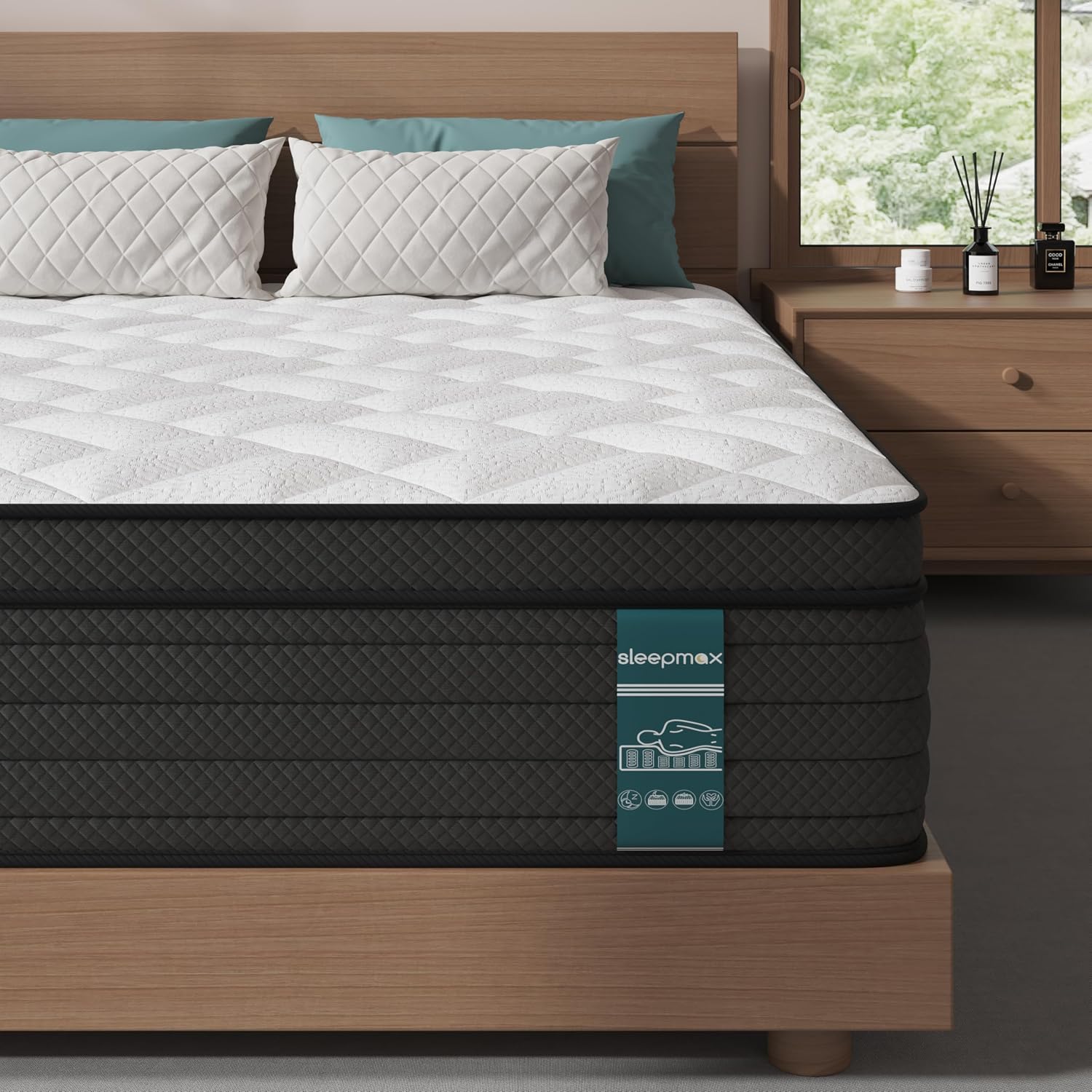
Mattress Buying Guide
The best mattress for side sleepers should provide enough cushioning around the shoulders and hips while supporting the rest of the body. A mattress that feels too firm may create uncomfortable pressure, while one that is too soft may allow excessive sinking.
The right choice depends on body weight, sleeping position, comfort preferences, and mattress construction. This guide compares mattress types, firmness levels, and features to consider before buying, including factors that matter to heavier side sleepers.
Quick tip: Side sleepers often benefit from a balance of cushioning and support. Do not choose a mattress based on softness alone; consider how your shoulders and hips settle into the surface and whether the mattress feels comfortable throughout the night.
What Makes a Mattress Good for Side Sleepers?
When you sleep on your side, your shoulders and hips carry much of the contact pressure against the mattress. A suitable comfort layer allows these areas to settle without making the rest of your body feel unsupported.
Pressure Relief
Look for cushioning that feels comfortable around the shoulders and hips without creating excessive sink.
Balanced Support
The mattress should support your body in a comfortable position rather than allowing the midsection to sink excessively.
Comfortable Temperature
If you sleep hot, compare materials, breathable covers, and the mattress’s overall construction.
What Mattress Firmness Is Best for Side Sleepers?
Medium-soft to medium-firm mattresses are common starting points when comparing options for side sleeping, but there is no universally ideal firmness. A person’s body weight, shoulder width, hip shape, and comfort preferences all influence how a mattress feels.
Soft to Medium-Soft
May provide more cushioning for some lighter side sleepers or people who prefer a plush surface. However, a very soft mattress may allow excessive sinking for some body types.
Medium
A useful starting point for shoppers seeking a balance between contouring and support. The actual feel can vary substantially between brands and designs.
Medium-Firm
May suit side sleepers who prefer a more supportive surface or compress the comfort layers more deeply. Check that it still provides enough cushioning around the shoulders and hips.
Firmness labels are not standardized across all manufacturers. If possible, use the trial period to evaluate the mattress in your usual sleeping position and review the return conditions before ordering.
Best Mattress Types for Side Sleepers
1. Memory Foam Mattresses
Memory foam conforms to the body and can provide a close, cushioned feel around the shoulders and hips. This may appeal to side sleepers who prefer contouring rather than a springier surface.
Some memory foam mattresses retain more warmth or make changing positions feel less effortless. If temperature or ease of movement matters to you, compare the model’s materials, cooling features, and overall feel.
What to compare: Firmness, contouring, responsiveness, heat management, and the return policy.
2. Hybrid Mattresses
Hybrid mattresses typically combine a coil support system with foam or other comfort layers. Depending on the design, they may offer cushioning around pressure points while retaining a more responsive feel.
Not all hybrids feel alike. A model with a relatively firm comfort layer may feel quite different from one with deeper cushioning. Check the exact model’s construction and firmness description instead of relying on the hybrid label alone.
What to compare: Comfort-layer feel, coil construction, edge support, airflow, and weight limits.
3. Latex Mattresses
Latex mattresses often provide a more buoyant, responsive feel than traditional memory foam. They may appeal to side sleepers who want cushioning but prefer not to feel deeply enveloped by the mattress.
Latex firmness and comfort vary with the material and construction. Some models may feel too firm for people who need more shoulder cushioning, so check the product details and return policy.
What to compare: Firmness, latex type, responsiveness, comfort-layer design, and price.
What Heavier Side Sleepers Should Look For
Heavier side sleepers may compress mattress comfort layers more deeply than lighter sleepers. A mattress that feels comfortably cushioned in a showroom or to another person may feel quite different under a greater load.
- Appropriate firmness: Compare how the mattress balances shoulder and hip cushioning with overall support.
- Weight capacity: Verify the manufacturer’s stated weight limit for the exact model and size.
- Comfort-layer compression: Consider whether the top layers may allow too much sinking under your body weight.
- Edge support: Check whether you use the edge of the bed to sit, get up, or spread out while sleeping.
- Durability and warranty: Review the materials, indentation coverage, and exclusions.
- Trial and returns: Confirm the trial period, pickup arrangements, return fees, and refund conditions.
For more capacity-focused recommendations, read our Best Mattresses for Heavy People guide.
Common Mistakes When Choosing a Side-Sleeper Mattress
Choosing the Softest Mattress Automatically
More cushioning is not always better. A mattress that allows excessive sinking may feel uncomfortable even if its surface initially feels plush.
Ignoring Shoulder and Hip Pressure
Pay attention to how the mattress feels at the main contact points. A surface that feels fine while sitting may feel different after several hours of side sleeping.
Overlooking Temperature
If you frequently sleep hot, compare the materials, cover, and overall construction. Cooling claims alone do not guarantee that a mattress will feel cool to every sleeper.
Skipping the Return Policy
A mattress may feel different at home than expected. Read the trial terms and return costs before purchase so you understand your options if the firmness is unsuitable.
Can a Pillow Improve Side-Sleeping Comfort?
A suitable pillow can complement a comfortable mattress. Side sleepers often look for enough pillow height to fill the space between the head and shoulder, but the appropriate loft depends on shoulder width, body shape, and mattress compression.
A pillow cannot compensate for a mattress that provides inadequate support, but it may help you find a more comfortable sleeping setup. Consider pillow height and firmness alongside the mattress rather than treating either item as a guaranteed solution for pain.
Side-Sleeper Mattress Buying Checklist
- Choose a firmness range that feels comfortable around your shoulders and hips.
- Compare pressure relief and support together.
- Decide whether you prefer contouring memory foam or a more responsive surface.
- Check weight limits if you need a higher-capacity mattress.
- Compare temperature management, motion transfer, and edge support as needed.
- Review trial, return, and warranty conditions.
- Verify the exact model, size, and current specifications before purchasing.
Frequently Asked Questions
What firmness is best for side sleepers?
Medium-soft through medium-firm mattresses are useful options to compare, but the right choice depends on body weight, body shape, sleeping preferences, and mattress construction. Firmness labels also vary by manufacturer.
Is memory foam good for side sleepers?
It can be. Memory foam may provide contouring around the shoulders and hips, but some models retain heat or allow more sinking than a sleeper prefers. Compare individual designs rather than assuming all memory foam mattresses feel alike.
Are hybrid mattresses good for side sleepers?
Some hybrids combine cushioning comfort layers with a responsive coil support system. The actual feel varies by model, so look closely at firmness, comfort-layer design, and return terms.
Should heavier side sleepers choose a firm mattress?
Not automatically. Heavier sleepers may compress the comfort layers more deeply, but the mattress still needs to provide comfortable shoulder and hip cushioning. Compare the exact model’s capacity, construction, and firmness.
Can a mattress relieve shoulder or hip discomfort?
A comfortable mattress may reduce pressure from the sleeping surface for some people, but it cannot be expected to treat the cause of persistent pain. If discomfort continues or worsens, consider seeking advice from a qualified healthcare professional.
Final Thoughts
The best mattress for side sleepers balances cushioning around the shoulders and hips with support that feels comfortable for the rest of the body. Memory foam, hybrid, and latex models can all be worth considering, depending on the firmness and construction of the specific mattress.
Heavier side sleepers should pay additional attention to weight limits, comfort-layer compression, edge support, and warranty terms. Compare the exact models, review the return policy, and choose the mattress that feels supportive and comfortable for your own sleeping position.
Explore our Best Mattresses Guide for more buying advice, or see our Best Mattresses for Heavy People guide.
Affiliate disclosure: As an Amazon Associate, this site may earn from qualifying purchases.
Product availability, specifications, weight limits, and return policies can change. Verify current details with the manufacturer or retailer before purchasing.