
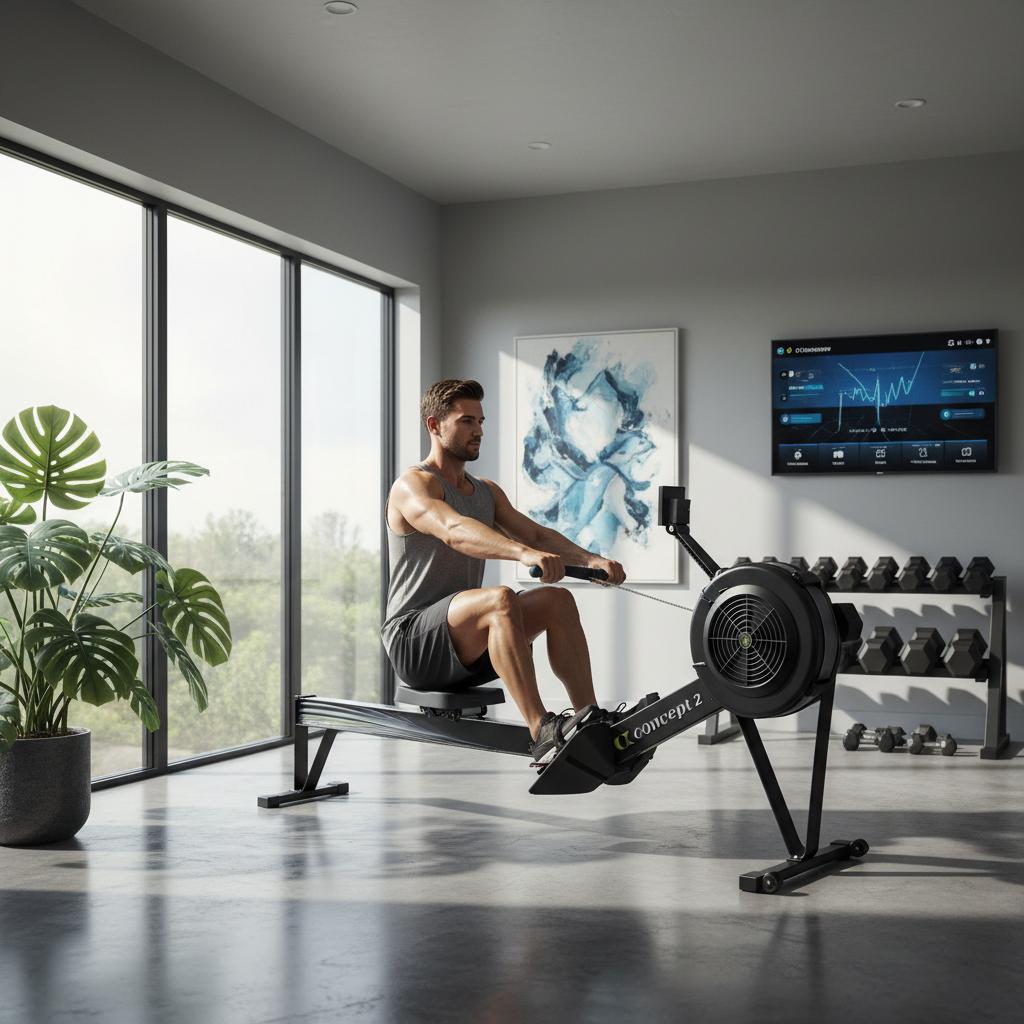
One of the most common questions for people starting indoor rowing is: how long should you use a rowing machine? Should you row for 10 minutes, 20 minutes, or a full hour?
The right workout duration depends on your fitness level, training goals, intensity, and recovery. A beginner may get a useful workout in 10–15 minutes, while someone with more experience may comfortably row for 30–45 minutes or longer.
The key is not simply to spend as much time as possible on the machine. It is to choose a manageable duration, maintain good technique, and increase your training gradually.
Quick Answer: How Long Should You Row?
- Complete beginners: Start with 10–15 minutes per session.
- General fitness: Aim for approximately 20–30 minutes.
- Weight management: Build toward 30–45 minutes at a sustainable intensity.
- HIIT workouts: Shorter sessions of approximately 15–25 minutes, including warm-up and recovery.
- Experienced rowers: Longer sessions of 30–60 minutes may fit their training plans.
Remember: These are practical starting ranges, not strict requirements. Your fitness level and ability to recover matter more than hitting a specific number of minutes.
How Long Should You Use a Rowing Machine Based on Your Fitness Level?
If you are unsure where to start, use your current fitness level as a guide. You do not need to begin with long workouts to get comfortable with rowing.
BEGINNER
10–15 min
Focus on learning proper technique and getting used to the movement.
INTERMEDIATE
20–30 min
Build cardiovascular endurance with consistent, controlled workouts.
EXPERIENCED
30–60 min
Use longer sessions when they fit your training goals and recovery capacity.
Beginners: Start With 10–15 Minutes
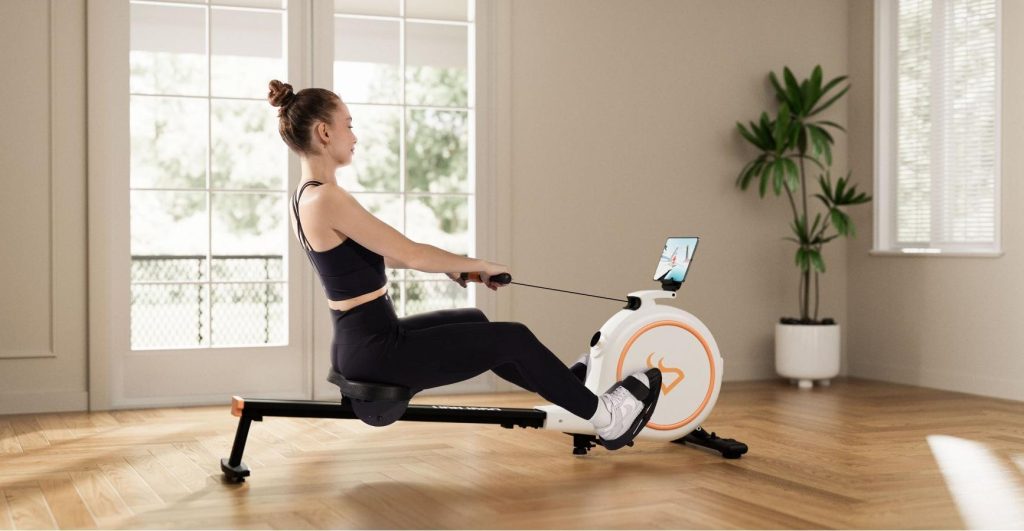

If you have never used a rowing machine before, begin with short sessions at a comfortable pace. Your first priority should be learning the movement rather than chasing distance, speed, or calorie numbers.
A 10–15-minute workout can include:
- 3 minutes of easy rowing to warm up.
- 5–9 minutes of comfortable, steady rowing.
- 2–3 minutes of very easy rowing to cool down.
Start with two or three sessions per week if that fits your current activity level. Give yourself enough recovery time between harder workouts.
Intermediate Rowers: Aim for 20–30 Minutes
Once you are comfortable with the technique, 20–30 minutes can be a practical workout duration for general cardiovascular fitness.
You can maintain a steady pace throughout the session or divide the workout into manageable blocks. For example, row at a moderate effort for 5 minutes, followed by a slightly easier pace for 1 minute, and repeat.
At this stage, focus on consistent pacing and maintaining good form as you become tired.
Experienced Rowers: Consider 30–60 Minutes
More experienced users may include longer steady-state sessions in their training plans. These workouts can help develop aerobic endurance, provided the intensity is appropriate and recovery is adequate.
There is no need to row for 60 minutes every time you train. Shorter sessions, interval workouts, and recovery days can all have a place in a balanced routine.
How Long Should You Row for Different Fitness Goals?
Your training goal can influence how long you spend on the rowing machine. The following ranges are general examples rather than guaranteed results.
Training GoalSuggested DurationTraining FocusGetting Started10–15 minutesTechnique and consistencyGeneral Fitness20–30 minutesModerate steady rowingWeight Management30–45 minutesSustainable aerobic exerciseHIIT Training15–25 minutesShort work and recovery intervalsEndurance Development30–60 minutesControlled longer sessions
For Weight Loss
If weight loss is your goal, rowing can help increase your daily energy expenditure. A workout of 30–45 minutes at a sustainable intensity may be a useful target once you have built enough fitness to handle it comfortably.
However, rowing duration alone does not determine weight loss. Overall calorie balance, food intake, daily activity, sleep, and consistency all matter.
You do not need to row for an hour every day. A realistic routine that you can maintain over time is generally more useful than an aggressive schedule that leaves you exhausted.
For Cardiovascular Fitness
For general cardiovascular fitness, consistent moderate-intensity rowing is a practical option. A 20–30-minute session can provide a useful starting point, and you can gradually increase your weekly exercise time.
Pay attention to how hard you are working. At a moderate intensity, you should generally be able to talk in short sentences, although singing would be difficult.
For HIIT Training
High-intensity interval training uses short periods of harder effort separated by easier recovery periods. Because the work intervals are demanding, a HIIT rowing session does not need to be as long as a steady-state workout.
A beginner-friendly structure might look like this:
How Many Days a Week Should You Use a Rowing Machine?
Workout frequency matters just as much as session length. Rowing every day is not necessary to make progress, especially when you are new to exercise.
| Experience Level | Example Weekly Frequency | Suggested Approach |
|---|---|---|
| Beginner | 2–3 days | Short, easy sessions with recovery days |
| Intermediate | 3–4 days | Mix steady rowing and moderate intervals |
| Experienced | 4–5 days | Vary intensity and include recovery sessions |
These are example schedules, not mandatory targets. Your overall exercise routine, age, current fitness, and recovery needs should influence how often you row.
Example Weekly Rowing Machine Schedule
If you are comfortable with 20-minute sessions, the following schedule provides a simple mix of steady rowing, intervals, and recovery.
Monday
20 minutes of moderate steady rowing.
Tuesday
Rest or light walking.
Wednesday
15–20 minutes of rowing with short, controlled intervals.
Thursday
Rest or gentle mobility work.
Friday
20–25 minutes of comfortable steady rowing.
Saturday
Optional light activity or a short easy rowing session.
Sunday
Rest and recovery.
This schedule is an example for someone who already tolerates moderate exercise. Beginners should start with fewer sessions and shorter durations, then build gradually.
How to Know If You Are Rowing for Too Long
A longer workout is not always a better workout. If your technique deteriorates or you cannot recover between sessions, your rowing duration or intensity may be too high.
Watch for these signs:
- Your rowing form breaks down: You start rounding your back, rushing the recovery, or pulling mainly with your arms.
- Your effort becomes unsustainable: You cannot maintain a controlled pace and feel unusually exhausted.
- You experience persistent soreness: Muscle soreness that does not improve with recovery may indicate that your training load needs adjustment.
- You feel pain rather than normal effort: Stop exercising if you experience sharp pain, dizziness, chest discomfort, or unusual shortness of breath.
- Your performance keeps declining: Repeatedly feeling weaker during workouts can be a sign that you need more recovery.
Safety Reminder
Do not push through chest pain, faintness, dizziness, or severe shortness of breath. Stop exercising and seek appropriate medical help. If you have a health condition or are returning to exercise after a long break, get advice about a suitable starting level.
How to Increase Your Rowing Workout Time Safely
Once your current workout feels manageable, you can gradually increase the duration. Avoid making large jumps in both workout time and intensity at the same time.
Step 1: Establish a Comfortable Starting Point
Choose a duration that allows you to finish without losing your technique. For many beginners, this may be 10 minutes of easy rowing.
Step 2: Repeat Before Increasing
Complete several sessions at the same duration before making the workout longer. This gives you a chance to assess how your body responds.
Step 3: Add a Few Minutes
When the current duration feels comfortable, add a small amount of time. For example, move from 10 minutes to 12 or 15 minutes rather than jumping straight to 30 minutes.
Step 4: Vary Your Training
Not every session needs to be longer or harder. Alternate moderate steady rowing with easier recovery sessions. Add interval training only when you are comfortable with the basic rowing technique.
Does Rowing Longer Always Burn More Calories?
In general, a longer rowing session can use more total energy than a shorter session when other factors are similar. However, calorie expenditure also depends on body weight, rowing intensity, technique, and individual differences.
Fitness machines often display estimated calorie numbers, but these figures are not exact measurements. Use them as rough comparisons rather than treating them as a precise record of energy expenditure.
For weight management, a consistent exercise routine combined with sustainable eating habits is more important than trying to maximize calories in every workout.
Frequently Asked Questions
Is 10 minutes on a rowing machine enough?
Yes. Ten minutes can be a useful starting workout, especially for beginners or people returning to exercise. As your fitness improves, you can gradually increase the duration.
Is 20 minutes of rowing a day enough?
Twenty minutes can be a practical session for general fitness. Whether it is enough for your goals depends on intensity, weekly frequency, and your overall activity level.
Is 30 minutes on a rowing machine good?
For someone who has built up to it, 30 minutes can be a useful moderate workout. Maintain good technique and choose a pace that you can sustain.
Can I row for an hour every day?
Some experienced rowers include long sessions in their training, but an hour every day is not necessary for most people. Daily long workouts may also make recovery difficult if intensity is too high.
Should I row faster or longer?
It depends on your goal. Longer, controlled sessions can help develop aerobic endurance, while shorter intervals can challenge your cardiovascular fitness. Beginners should prioritize technique before increasing speed.
Is it better to row in the morning or evening?
The best time is the time you can follow consistently. Choose a schedule that fits your daily routine and allows you to exercise comfortably without sacrificing sleep or recovery.
How long should beginners row to lose weight?
Start with a manageable 10–15-minute session and build toward longer workouts as your fitness improves. Weight loss depends on your overall calorie balance and activity habits, not rowing duration alone.
Final Verdict: How Long Should You Use a Rowing Machine?
For most people, the best rowing workout duration is the one they can complete consistently while maintaining good technique and recovering properly.
If you are new to rowing, start with 10–15 minutes. Once you become more comfortable, build toward 20–30-minute sessions. Longer workouts of 30–60 minutes may suit experienced rowers who want to develop endurance.
Do not feel that every workout needs to be long or intense. A combination of steady rowing, occasional intervals, and recovery days can make your routine more sustainable.
Explore More Fitness Guides
Discover more equipment and workout advice in our fitness section.
As an Amazon Associate, HeavyDutyChoice earns from qualifying purchases. This article is for general fitness information and is not a substitute for individualized medical advice.