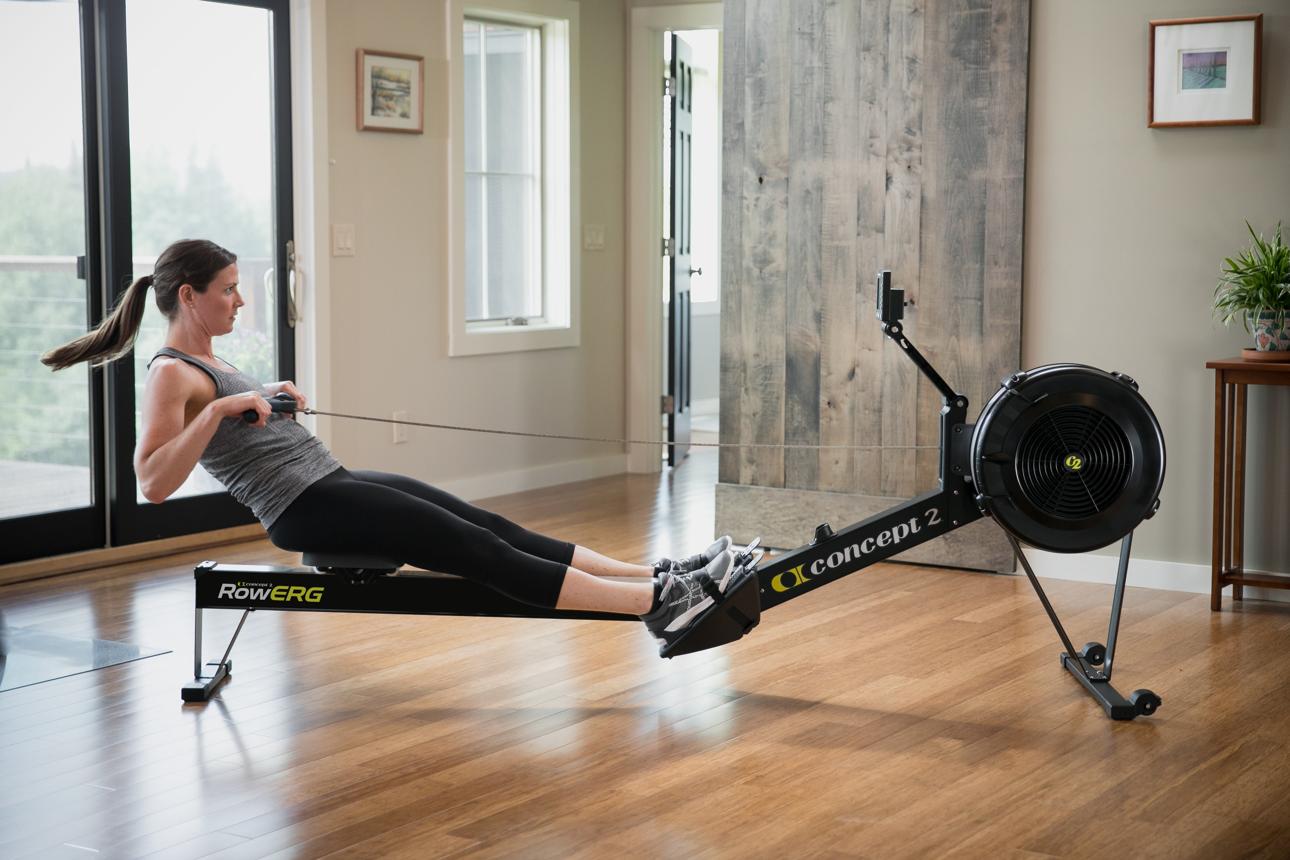
Learning how to use a rowing machine correctly can make your workouts more effective, comfortable, and easier to maintain. Unlike exercise bikes or treadmills, rowing machines involve a coordinated movement that uses your legs, core, and upper body.
The good news is that the basic technique is easy to learn. You do not need to row quickly or use high resistance to get started. Focus on the correct movement sequence, controlled strokes, and a comfortable pace first.
Quick Guide: Using a Rowing Machine
- Start position: Sit tall, bend your knees, and hold the handle.
- Drive: Push with your legs first, then lean back slightly and pull the handle.
- Finish: Keep your core engaged and bring the handle toward your lower ribs.
- Recovery: Extend your arms, lean forward, and bend your knees to return.
- Beginner workout: Start with 5–10 minutes at a comfortable pace.
1. Understand the Four Phases of the Rowing Stroke
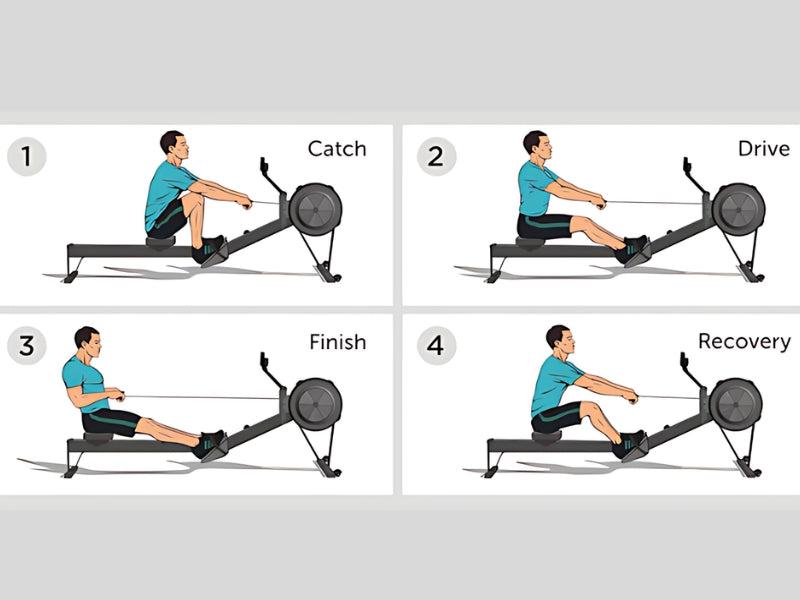
Most indoor rowing machines use the same basic rowing movement. A complete stroke has four phases: the catch, drive, finish, and recovery.
The Catch
Sit near the front of the rail with your knees bent. Keep your back straight, arms extended, and shoulders relaxed.
The Drive
Push through your feet to straighten your legs. Once your legs are mostly extended, lean back slightly and pull the handle toward your torso.
The Finish
Your legs should be extended, your torso slightly reclined, and the handle close to your lower ribs. Keep your wrists straight.
The Recovery
Extend your arms first, hinge your torso forward, and then bend your knees to slide back to the starting position.
The correct sequence is legs → torso → arms during the drive, and arms → torso → legs during recovery. Avoid pulling with your arms before pushing with your legs.
2. How to Use a Rowing Machine Step by Step
Before starting your workout, adjust the machine and make sure you can reach the handle comfortably. Follow these steps to learn the movement.
Step 1: Adjust the Foot Straps
Place your feet on the footrests and secure the straps across the widest part of your feet, usually around the ball of the foot. The straps should hold your feet securely without causing discomfort.
Your feet should remain stable throughout the stroke. Avoid tightening the straps so much that they restrict circulation or make it difficult to move.
Step 2: Sit in the Starting Position
Hold the handle with both hands and sit toward the front of the seat. Bend your knees and slide forward until your shins are approximately vertical.
Keep your arms straight, shoulders relaxed, and spine in a neutral position. Do not round your lower back to reach farther forward.
Step 3: Push With Your Legs
Begin the drive by pressing through your feet. Allow your legs to do most of the initial work while keeping your arms straight.
As your legs extend, gradually lean your torso backward. Avoid leaning too far or using sudden movements.
Step 4: Pull the Handle Toward Your Body
When your legs are mostly straight, bend your elbows and pull the handle toward your lower chest or upper abdomen.
Keep your elbows close to your sides and wrists neutral. Your shoulders should stay relaxed rather than shrugging toward your ears.
Step 5: Return to the Starting Position
Reverse the movement in a controlled order. Straighten your arms first, hinge your torso forward, and then bend your knees to slide toward the front.
Keep the handle moving smoothly and avoid rushing the recovery phase.
3. How Long Should Beginners Use a Rowing Machine?
If you are new to indoor rowing, start with short sessions and focus on technique rather than distance or speed. You can gradually increase your workout duration as your fitness and confidence improve.
| Experience | Suggested Session | Main Goal |
|---|---|---|
| New to rowing | 5–10 minutes | Learn proper technique |
| Building consistency | 10–15 minutes | Develop endurance |
| Comfortable with rowing | 15–20 minutes | Improve aerobic fitness |
| More experienced | 20–30 minutes or more | Build workout capacity |
These are starting suggestions, not mandatory targets. Your ideal workout length depends on your current fitness, recovery, and training goals. You should be able to maintain controlled technique throughout the session.
4. A Simple Beginner Rowing Machine Workout
Once you understand the basic stroke, try this simple session. It is designed to help beginners become familiar with the machine without starting at an unnecessarily high intensity.
Beginner 10-Minute Rowing Workout
10 MINUTES
Minutes 0–2: Warm-Up
Row slowly and practice the four phases of the stroke.
Minutes 2–7: Steady Rowing
Maintain a comfortable, consistent pace. Focus on smooth movement and breathing.
Minutes 7–10: Cool Down
Gradually reduce your pace and finish with easy strokes.
Do not worry about achieving a particular speed or distance during your first sessions. Consistent technique is more important than pushing for a high score on the monitor.
5. Common Rowing Machine Mistakes to Avoid
Many beginners make the same technique mistakes. Correcting them early can help make rowing more comfortable and improve movement efficiency.
1. Pulling With Your Arms First
Starting the stroke with your arms reduces the benefit of the leg drive. Push with your legs first, then lean back and pull.
2. Rounding Your Back
Slouching or rounding your lower back can make the movement uncomfortable. Maintain a neutral spine and engage your core.
3. Setting Resistance Too High
High resistance is not necessary for learning the movement. Begin with a manageable setting and prioritize smooth strokes.
4. Rushing the Recovery
Sliding forward too quickly can disrupt your rhythm. Return slowly and follow the arms–torso–legs sequence.
5. Leaning Too Far Back
An exaggerated backward lean is unnecessary. Finish with a small, controlled torso movement.
6. Focusing Only on Speed
A fast stroke is not automatically a better stroke. Develop control and consistency before increasing intensity.
6. What Muscles Does a Rowing Machine Work?
Indoor rowing is a full-body exercise. The legs provide much of the power during the drive, while the core and upper body help coordinate and complete the movement.
- Quadriceps: Help extend the knees during the drive.
- Glutes: Contribute to hip extension as you push away from the front.
- Hamstrings: Assist with hip movement and control.
- Core muscles: Help stabilize your torso throughout the stroke.
- Back muscles: Help control the handle pull and maintain posture.
- Arms and shoulders: Assist with the final pulling phase.
The exact muscle demands depend on your technique, resistance, and workout intensity. Proper rowing is a coordinated movement rather than an arm-only exercise.
7. How to Make Rowing More Comfortable
A few simple adjustments can make regular rowing sessions more comfortable, especially if you are new to the equipment.
- Wear comfortable athletic shoes: Choose shoes that fit securely and allow stable foot placement.
- Check your seat position: Make sure you can slide smoothly without hitting the machine’s end stops.
- Keep your grip relaxed: Hold the handle securely without squeezing it excessively.
- Maintain a comfortable pace: Avoid increasing speed before you can maintain good form.
- Take recovery seriously: Allow enough rest between sessions, particularly when you are just starting.
If you experience sharp pain, dizziness, chest discomfort, or unusual shortness of breath, stop exercising. Anyone with a relevant medical condition or concerns about exercise safety should seek appropriate professional guidance before starting a new routine.
8. Frequently Asked Questions
Is a rowing machine good for beginners?
Yes. A rowing machine can be suitable for beginners because you can control the pace and workout duration. Start with short, easy sessions and learn the correct stroke before increasing intensity.
Should I use my legs or arms first on a rowing machine?
Use your legs first. During the drive, push through your feet, then lean your torso back slightly, and finally pull the handle toward your body. This sequence helps coordinate the full stroke.
How many minutes should I row as a beginner?
A 5–10 minute session is a reasonable starting point for many beginners. Increase the duration gradually as your technique and fitness improve.
Can I use a rowing machine every day?
Your training frequency should match your fitness level and recovery. Beginners should avoid jumping into intense daily sessions. Start conservatively and include recovery days when needed.
What resistance should beginners use?
Choose a manageable resistance that lets you maintain smooth, controlled strokes. On air and water rowers, the effort you apply also affects the resistance you feel. A higher damper or resistance setting is not automatically better.
Can rowing machines hurt your back?
Poor technique, excessive intensity, or an unsuitable workout may contribute to discomfort. Keep your spine neutral, avoid overreaching, and use controlled movements. Stop if you experience pain rather than trying to row through it.
Is rowing better than running?
Neither exercise is universally better. Rowing provides a full-body, low-impact workout, while running is a weight-bearing activity that primarily emphasizes the lower body. The right option depends on your goals, preferences, and physical needs.
Final Thoughts
Learning how to use a rowing machine is mainly about mastering the correct stroke sequence. Push with your legs first, engage your core, finish with a controlled arm pull, and return slowly to the starting position.
Start with short sessions, use a comfortable resistance, and focus on consistent technique. Once the movement feels natural, you can gradually increase your workout duration and intensity.
Explore More Rowing Machine Guides
Continue learning about indoor rowing, equipment selection, and effective training routines.