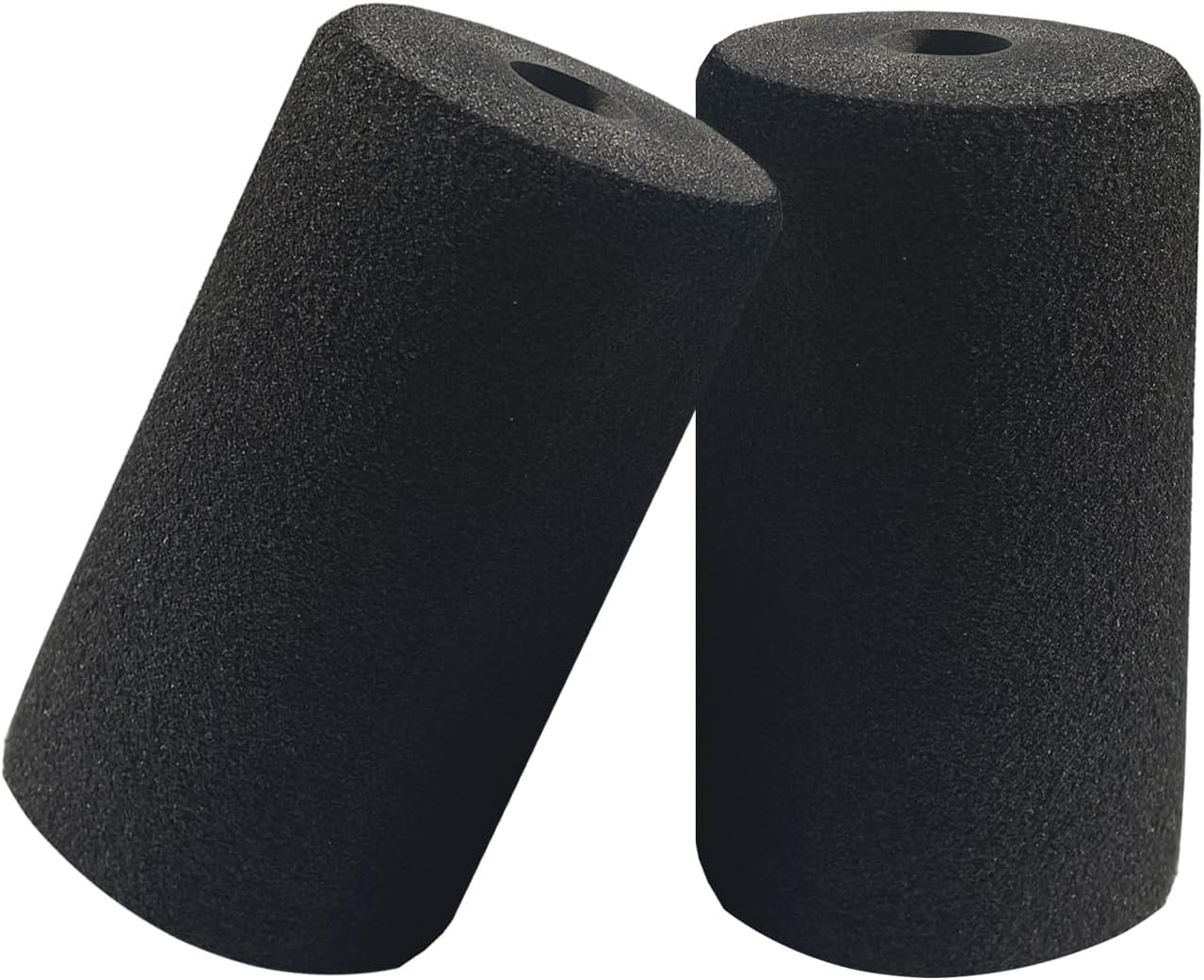
If your weight bench pad is cracked, flattened, or no longer provides reliable support, you may not need to replace the entire bench. The right weight bench replacement pads can be a practical solution—but only if the new pad fits your existing frame and mounting hardware.
Before you buy, check the pad’s dimensions, thickness, mounting-hole spacing, and compatibility with your exact bench model. A replacement that looks similar in a product photo may not fit securely.
- Measure the original pad’s length, width, and total thickness.
- Check the number, position, and center-to-center spacing of mounting holes.
- Confirm the exact bench brand, model, and version.
- Choose firm, supportive padding with durable upholstery.
- Replace damaged mounting hardware when necessary and never force an incompatible pad to fit.
1. Do You Need to Replace the Whole Pad?
Before shopping for replacement bench pads, determine whether the problem is limited to the outer cover or affects the padding and mounting structure.
Replace the cover
Consider a new cover if the vinyl is peeling or cracked but the foam remains firm, the backing board is intact, and the pad is securely attached.
Replace the padding or pad
Consider a complete replacement if the foam is permanently compressed, the surface feels uneven, or the pad no longer provides dependable support.
Inspect the frame and hardware
If the pad rocks or shifts, inspect the bolts, brackets, and mounting points. A loose or damaged connection may not be solved by replacing the cushion alone.
If the pad’s backing board is cracked, its mounting points are damaged, or the bench frame is bent, do not assume that a new cushion will make the bench safe. Repair or replace the affected structural components before training.
2. Measure Your Weight Bench Pad Before Buying
Accurate measurements are the first step toward finding a compatible weight bench pad. If possible, remove the original pad and measure it on a flat surface. Record the measurements before searching for a replacement.
Length and width
Measure the full length from end to end and the width at the widest point. If the pad tapers or has an unusual shape, record the width at both ends as well as the middle.
Total thickness
Measure from the top of the upholstery to the bottom of the pad assembly. Do not measure only the visible foam. A noticeably thicker or thinner replacement can change the bench height and your position during presses.
Mounting-hole spacing
Check the number of holes and measure between the centers of the mounting holes. Record the hole layout and inspect the underside for brackets or a mounting plate. Matching the length and width alone is not enough.
| Measurement | What to record |
|---|---|
| Length | End-to-end measurement |
| Width | Widest point and any tapered sections |
| Thickness | Total assembled pad thickness |
| Hole spacing | Center-to-center distance for each relevant hole pair |
| Mounting design | Hole count, brackets, bolts, and backing board |
Tip: Take a photo of the original pad’s underside and mounting hardware. It can help you compare the design with product photos or provide useful information when asking a seller about compatibility.
3. Choose the Right Type of Replacement Pad
Not every product described as a bench pad is a complete replacement for a weight bench. Identify which part you need before ordering.
Complete bench pad
A padded assembly with upholstery and a backing structure. Choose this when the existing pad is damaged or the foam has lost its shape. Confirm the mounting pattern before purchase.
Model-specific replacement
Usually the clearest option when a manufacturer offers a replacement for your exact bench model. Confirm the model number and version rather than relying on the brand name alone.
Foam rollers and attachment pads
These are cylindrical or smaller pads used on leg-extension attachments, leg-curl stations, and other exercise equipment. They are not interchangeable with the main backrest or seat pad.
The links above open Amazon search results, not a guarantee that every listed product will fit your bench. Check the individual listing’s measurements, included hardware, and compatibility details before purchasing.
4. Look for Firm, Supportive Padding
The best replacement pad should support your body without feeling excessively hard or allowing you to sink deeply into the foam. The right balance depends on your training style and preference.
- Firmness: Look for padding that holds its shape under pressure rather than compressing excessively.
- Even support: The surface should not have lumps, gaps, or uneven sections that interfere with your position.
- Thickness: A replacement close to the original thickness is a sensible starting point, especially for an adjustable bench.
- Backing structure: Check whether the pad includes a rigid backing board or mounting plate where required by your bench.
- Secure attachment: The pad should attach firmly using the intended mounting points and hardware.
A thicker pad is not automatically better. Excessively soft or thick padding can alter your position during bench presses. Prioritize stable support and a fit that matches the original design.
5. Check the Upholstery Material
The outer material affects cleaning, grip, and long-term wear. Compare the upholstery and construction rather than judging the pad by appearance alone.
| Feature | What to look for |
|---|---|
| Surface material | Durable upholstery that can be wiped clean after workouts |
| Grip | Enough traction to help you maintain position without excessive slipping |
| Seams | Neat, reinforced seams without obvious gaps or loose stitching |
| Foam and backing | Even construction without visible damage or weak mounting areas |
For a home gym, easy cleaning and durable upholstery are useful priorities because sweat and repeated friction can gradually wear down the surface.
6. Confirm Compatibility With Your Exact Bench
Compatibility is the most important step when choosing weight bench replacement pads. Even products from the same brand may use different dimensions or mounting systems across models and generations.
Before ordering, confirm the following:
- The exact brand, model number, and version of your bench.
- Whether you need the backrest, seat pad, or both pieces.
- The pad dimensions and overall thickness.
- The number and spacing of mounting holes.
- The mounting brackets, bolt sizes, and hardware requirements.
- Whether the listing explicitly supports your bench model.
If the seller does not provide enough information, ask about compatibility before buying. Do not assume that a pad will fit simply because the product photos look similar. Avoid drilling new mounting holes or forcing incompatible hardware into place.
7. Can You Repair the Existing Pad Instead?
Sometimes, repairing the original pad can be more practical than replacing the entire assembly. The right approach depends on which part has failed.
8. Common Mistakes to Avoid
Buying based on appearance alone
Two pads can look almost identical but have different hole patterns or backing structures. Compare measurements and mounting details before ordering.
Ignoring the seat pad
Adjustable benches often have a separate backrest and seat. If both are worn, check whether a compatible set is available and whether each piece uses a different mounting pattern.
Confusing a cover with a complete pad
A cover may improve the appearance of worn upholstery, but it does not restore compressed foam or repair a damaged backing board. Read the listing carefully to see exactly what is included.
Forcing the installation
If the holes do not align or the pad does not sit securely on the frame, stop. Do not force bolts into misaligned holes or modify the mounting structure without an appropriate, manufacturer-approved solution.
9. Replacement Bench Pad Buying Checklist
Before you place your order, make sure you have checked:
- Exact bench brand and model
- Back pad, seat pad, roller pad, or complete set
- Length, width, and total thickness
- Mounting-hole count and center-to-center spacing
- Backing board, brackets, and bolt requirements
- Foam firmness and upholstery durability
- What the listing includes and whether hardware is supplied
- Return policy if the pad does not match the stated specifications
Frequently Asked Questions
Are weight bench replacement pads universal?
No. Replacement pads vary in size, thickness, hole spacing, and mounting design. Always compare the specifications with your original pad and confirm compatibility with your exact bench model.
How do I measure a weight bench pad?
Measure the length, widest width, and total thickness. Then check the number and center-to-center spacing of the mounting holes. Photograph the underside and hardware if you need to compare the mounting design.
Can I replace only the backrest pad?
Often, yes, if the backrest is a separate removable component and a compatible replacement is available. Check the seat pad separately if it is also worn, since its dimensions and mounting pattern may differ.
Is thicker padding better for weightlifting?
Not necessarily. A pad should provide firm, even support without excessive compression. A substantial change in thickness can alter bench height and your lifting position, so matching the original design is usually a sensible starting point.
Should I replace the pad or buy a new bench?
If the frame, adjustment mechanism, and mounting points remain in good condition, replacing a worn pad may be a reasonable option. If the frame or structural mounting points are damaged, assess the whole bench before deciding whether repair or replacement is appropriate.
Final Thoughts
The right weight bench replacement pads can extend the useful life of a bench when the frame and mounting system remain in good condition. Start by identifying the damaged component, then measure the pad and check its mounting pattern.
Prioritize exact model compatibility, firm support, durable upholstery, and secure installation over appearance alone. If you cannot confirm that a replacement fits, ask the seller for measurements or model compatibility details before ordering.
For more home gym equipment advice, visit our Weight Benches guide.
Affiliate Disclosure: As an Amazon Associate, we earn from qualifying purchases.