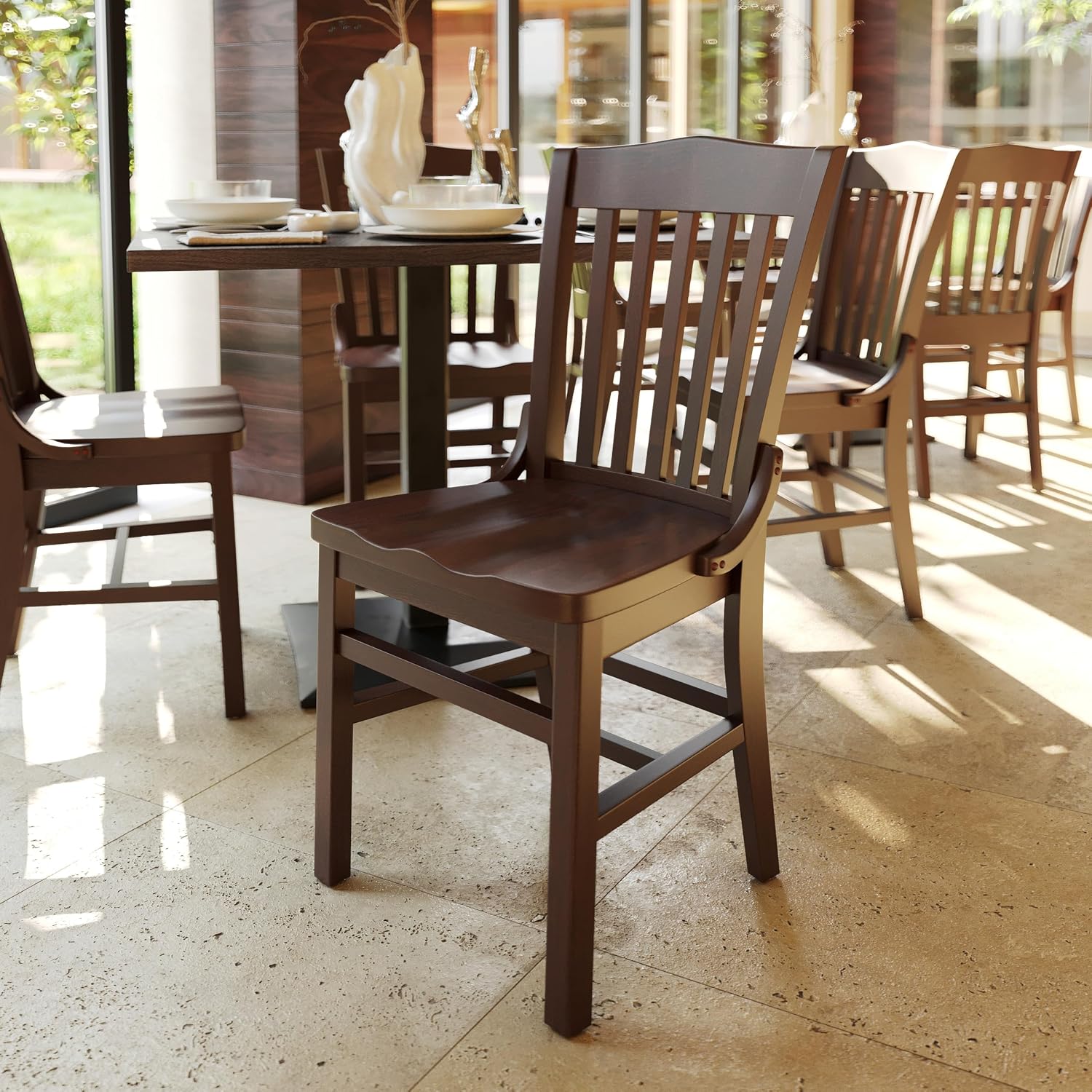
Choosing high weight capacity dining chairs involves more than finding a chair with a large number in its product description. The weight rating, seat dimensions, frame construction, leg design, and overall stability all affect whether a dining chair is suitable for everyday use.
Whether you need a chair rated for 300 pounds or want to compare heavy-duty seating options for a busy household, this guide explains what to check before buying. You will learn how to verify weight ratings, evaluate seat comfort, compare common chair materials, and avoid relying on appearance alone.
What matters most?
- A clearly stated weight capacity verified in the manufacturer’s specifications.
- A seat width and depth that allow comfortable seating.
- A stable frame, well-supported legs, and secure joints.
- A design that fits your dining table and available floor space.
- Clear product information about assembly, care, and intended use.
What Are High Weight Capacity Dining Chairs?
High weight capacity dining chairs are chairs whose stated load ratings meet the needs of people who require a higher-rated seat. There is no single universal cutoff that makes a chair “high capacity” across every manufacturer or product category. For this guide, chairs rated for 300 pounds or more are a useful starting point for comparison.
A chair’s published weight capacity is a specification, not a complete measure of comfort or durability. Two chairs with the same rating may differ significantly in seat width, back support, materials, construction, and stability.
When comparing high weight capacity dining chairs, look for the following information:
- Maximum stated weight: The manufacturer’s documented rating for the specific chair model.
- Construction: Frame material, leg design, cross supports, and connection points.
- Seat dimensions: Width, depth, and height, including usable space between armrests when present.
- Intended use: Whether the chair is designed for residential dining, commercial use, or another setting.
- Care and assembly: Instructions for tightening hardware, maintaining the chair, and using it as intended.
Important: Do not assume that a chair is rated for a particular weight because it looks sturdy, has a metal frame, or has a wide seat. Confirm the rating for the exact model and configuration before purchasing.
How to Choose Dining Chairs with a 300 lb Weight Capacity
If you are searching for dining chairs with 300 lb weight capacity, begin by verifying the manufacturer’s stated limit. Search results and product titles can be incomplete, and similar-looking chairs from the same brand may have different specifications.
Use this checklist when comparing products:
- Confirm the exact rating. Check the product specifications, manufacturer’s website, or product documentation. Make sure the rating applies to the specific chair being sold.
- Check the full chair dimensions. A 300-pound rating does not guarantee a wide seat or a comfortable fit. Review seat width, depth, and height separately.
- Review the frame and supports. Look for clearly documented construction details, secure joints, and a design intended to support the stated load.
- Read assembly and use instructions. Confirm whether the chair requires assembly and whether the manufacturer provides specific restrictions or maintenance guidance.
- Compare the return policy and warranty. These terms can vary by seller and model, so review the current conditions before ordering.
The same process applies when searching for dining chairs 300 lb weight capacity. Do not treat the wording of a listing title as proof of a tested load rating. If the capacity is unclear or conflicting across sources, choose a product with more reliable documentation.
If you need a higher rating than 300 pounds, compare models with a documented rating that meets your requirements. Do not assume that a chair rated for 300 pounds has an appropriate safety margin for a higher load.
What Makes a Dining Chair Stable and Sturdy?
Weight capacity is important, but it should be evaluated alongside the chair’s overall construction. A sturdy-looking chair may still wobble if its joints are loose, its legs are poorly aligned, or it is assembled incorrectly.
Frame Material
Metal frames are common in heavy-duty seating and may offer a rigid structure when properly designed and assembled. However, the material alone does not establish a chair’s weight capacity. Tube dimensions, joints, bracing, and overall design also matter.
Solid wood frames can be suitable for everyday dining when the wood, joints, and overall construction are appropriate for the intended load. Check the manufacturer’s specifications instead of judging strength by the wood’s appearance alone.
Upholstered chairs can combine a supportive frame with padded seating. Inspect the frame rating separately from the thickness or softness of the cushion. Padding can improve comfort, but it does not prove that the underlying structure is suitable for a particular load.
Leg Design and Joint Quality
Look for a chair that sits evenly on a level floor and has securely connected legs. Crossbars or other support elements may contribute to rigidity, depending on the design. For wooden chairs, examine how the legs and rails are joined. For metal chairs, check welds, fasteners, and connection points where those details are visible or documented.
If the chair requires assembly, follow the instructions carefully and tighten the hardware as directed. Recheck fasteners according to the manufacturer’s maintenance guidance. Stop using a chair if it develops cracks, loose structural joints, severe wobbling, or other signs of damage.
Seat Width, Depth, and Comfort
A chair can meet a required weight rating and still be uncomfortable if the seat is too narrow, too shallow, or too high for the person using it. Measure the usable seating area rather than relying only on the overall chair width.
| Dimension | What to Check |
|---|---|
| Seat width | Measure the usable space between the seat edges or armrests. Confirm that the width allows comfortable sitting without pressure. |
| Seat depth | Check whether the seat supports the thighs comfortably without pressing into the backs of the knees. |
| Seat height | Compare the seat height with the dining table and the user’s leg length to help maintain a comfortable sitting position. |
| Armrest clearance | If the chair has arms, check the inside width and whether the arms can fit beneath the table apron. |
| Back support | Consider backrest shape, support, and whether the chair feels comfortable during a typical meal. |
There is no single seat width or depth that suits everyone. Compare the listed measurements with a chair that already feels comfortable, if possible. Remember that the manufacturer’s overall width may include armrests or a frame that reduces the usable seating area.
For a dining setup, also consider the space between neighboring chairs. A wider chair may be more comfortable for one person but could reduce the number of seats that fit around the table.
Types of High Weight Capacity Dining Chairs
Different chair styles can meet different needs. Use the categories below as a starting point, then confirm the actual weight rating and dimensions for each model.
1. Heavy-Duty Metal Dining Chairs
Metal dining chairs may suit buyers who prioritize a rigid frame and straightforward maintenance. Some designs use a simple, open structure that is easy to clean and visually compact. Others are heavier or bulkier, so check the chair’s dimensions and weight if you plan to move it frequently.
Explore Heavy-Duty Metal Dining Chairs on Amazon
2. Solid Wood Dining Chairs
Wooden chairs can complement traditional, farmhouse, and transitional dining rooms. Their suitability depends on the specific frame, joints, and manufacturer rating. Look for clear construction details and avoid assuming that a thick-looking wooden leg automatically means a higher capacity.
Explore Solid Wood Dining Chairs on Amazon
3. Upholstered Dining Chairs
Upholstered chairs may be a good option for longer meals or for households that prefer a padded seat. Compare cushion firmness, upholstery material, usable seat dimensions, and the underlying frame rating. Fabric, faux leather, and other upholstery types also differ in cleaning requirements.
Explore Upholstered Dining Chairs on Amazon
4. Dining Chairs with Arms
Armrests may provide a more supported seating experience for some users, but they can make a chair wider and prevent it from sliding under certain tables. Measure the inside arm width, arm height, and table clearance before buying. Confirm the weight rating just as you would for an armless chair.
How to Match High-Capacity Chairs to Your Dining Table
A suitable chair needs to fit both the person and the dining area. Before ordering, measure the table and the available space around it.
- Table height: Compare the seat height with the underside of the table and the available legroom.
- Table apron: Check whether the frame or armrests can fit beneath the table when the chair is pushed in.
- Chair spacing: Allow enough room for users to sit down, stand up, and move their chairs without crowding each other.
- Floor clearance: Consider how far chairs need to move backward when someone sits down or leaves the table.
- Floor protection: Choose suitable floor glides or protective pads if recommended for the chair and flooring type.
For smaller dining rooms, measure the total width of the chairs rather than looking only at seat width. Armless models may take up less space, while chairs with arms may need more clearance. If the table is round, also consider how the legs of the table affect chair placement.
For additional layout guidance, see our guide to choosing dining chairs for a round table.
Common Mistakes When Buying High Weight Capacity Dining Chairs
Choosing by Appearance Instead of Specifications
A thick frame, wide seat, or heavy-looking construction does not confirm a specific weight rating. Verify the exact model’s documented capacity and check whether the information comes from the manufacturer or a reliable product specification.
Assuming Every Chair from a Brand Has the Same Rating
Different models can use different frames, materials, and dimensions. Check the exact model number or listing rather than transferring specifications from a similar-looking chair.
Ignoring the Usable Seat Width
Overall chair width can be misleading, especially for models with large armrests or thick side frames. Look for the actual seat dimensions and make sure the usable area suits the intended user.
Overlooking Assembly and Maintenance
A chair that is not assembled according to the instructions may not perform as intended. Follow the manufacturer’s assembly steps, check fasteners as directed, and stop using a chair if structural damage or instability develops.
Buying Without Checking Return Conditions
When buying online, review the current return window, shipping requirements, warranty terms, and any assembly-related restrictions. These details vary by seller and product, and may affect the overall value of the purchase.
Frequently Asked Questions
What weight capacity should I look for in a dining chair?
Choose a chair whose documented weight capacity meets your needs and follows the manufacturer’s instructions. If you are comparing 300-pound chairs, verify that the rating applies to the exact model. If you require a higher rating, choose a model explicitly rated for that requirement rather than estimating from appearance.
Are dining chairs with a 300 lb weight capacity suitable for everyday use?
They may be suitable if the manufacturer’s stated rating meets the user’s needs and the chair is used and maintained as directed. Also consider seat dimensions, stability, comfort, and the intended use of the chair. A capacity rating alone does not establish overall quality.
Are metal dining chairs stronger than wooden chairs?
Not necessarily. Strength depends on the complete design, materials, joints, supports, and manufacturing quality. Compare the published weight rating and construction details of individual models instead of choosing based only on material.
Are wider dining chairs always more comfortable?
Not for everyone. A wider seat may provide more room, but comfort also depends on seat depth, height, cushioning, back support, and the user’s proportions. Measure the usable seat area and compare it with your seating needs.
How can I verify a dining chair’s weight capacity?
Check the manufacturer’s product specifications, official documentation, or clear information from the authorized seller. If listings disagree or do not provide a rating, contact the manufacturer or choose another model with better documentation.
Should I choose a chair with a capacity higher than 300 pounds?
If the user’s needs exceed the stated 300-pound limit, choose a chair with a documented capacity that meets those needs. Do not treat the published limit as a suggestion or assume an unverified safety margin. Follow all manufacturer instructions and limitations.
Final Thoughts: Choose Capacity, Fit, and Construction Together
The best high weight capacity dining chair is not simply the one with the largest number in its listing. It is the one with a verified weight rating that meets your requirements, comfortable dimensions, stable construction, and a design that fits your dining table and daily routine.
Start by confirming the capacity, then compare seat width, seat depth, frame construction, and table clearance. If you are considering a 300-pound model, make sure the exact chair is documented for that load rather than relying on a broad product title or visual impression.
For more product-focused recommendations, visit our guide to the best heavy-duty dining chairs or explore the full Dining Chairs resource hub.
Affiliate Disclosure: HeavyDutyChoice may earn a commission from qualifying purchases made through links on this page, at no additional cost to you. Product specifications, availability, and seller terms can change. Always confirm the current manufacturer’s rating and product details before purchasing.