Finding a comfortable mattress with scoliosis can take some trial and error. A mattress that feels supportive to one person may feel too firm or too soft to another, depending on body weight, spinal curvature, sleeping position, and pressure sensitivity.
This guide compares six specific models: Saatva Rx, Nectar Premier Memory Foam, Helix Midnight Luxe, Nolah Evolution, Brooklyn Bedding Signature Hybrid, and Titan Plus Core. They offer different combinations of cushioning, responsiveness, and support, giving you a starting point for comparing your options.
Important: A mattress does not correct or cure scoliosis. The goal is to find a comfortable sleep surface that suits your needs. If you have persistent pain, numbness, weakness, or worsening symptoms, consult an appropriate healthcare professional.
Quick Picks: 6 Mattresses to Consider for Scoliosis
SPECIALIZED COMFORT DESIGN
Saatva Rx
A premium hybrid designed for sleepers seeking additional cushioning and support. Compare its softer feel, price, and overall height.
CONTOURING FOAM
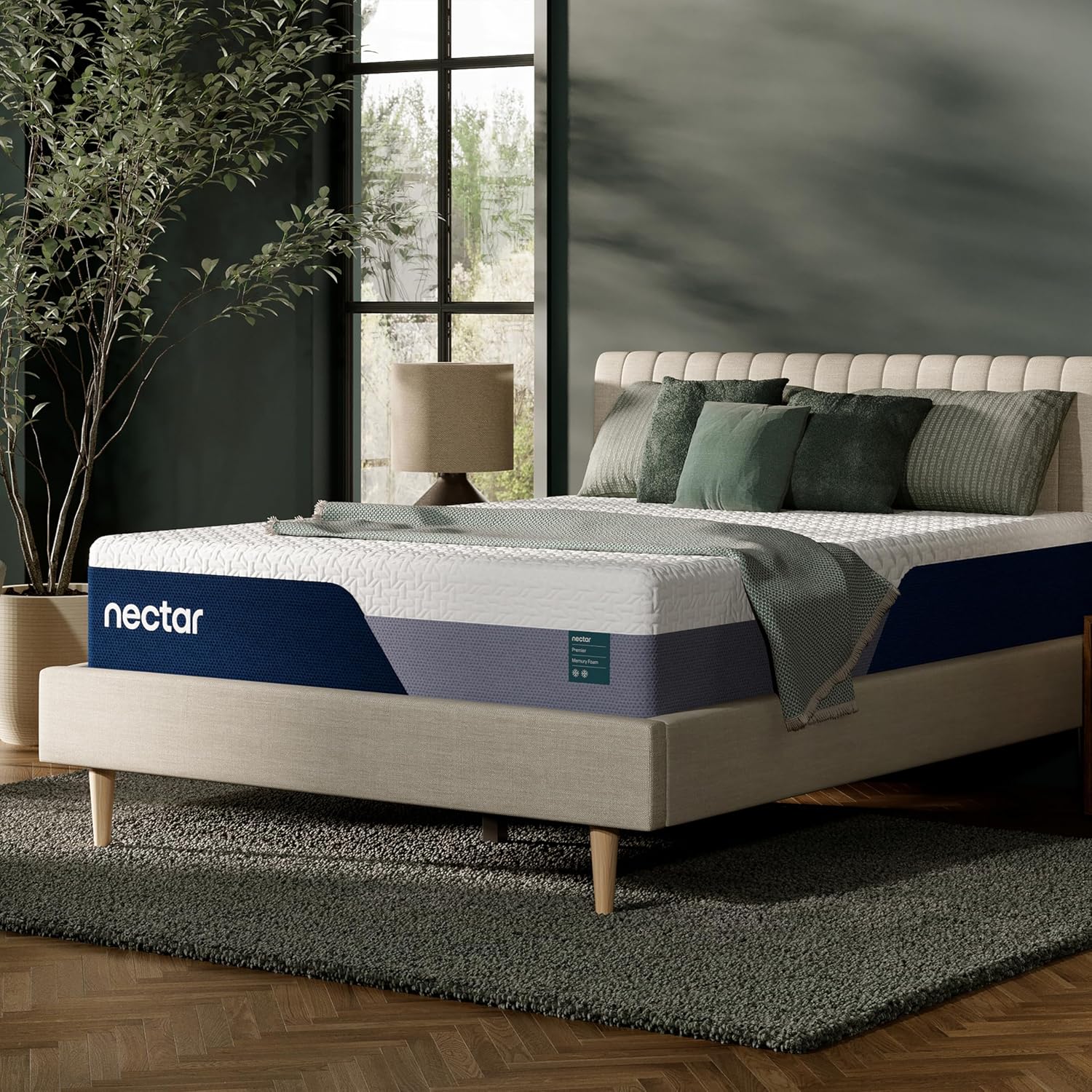
Nectar Premier Memory Foam
Worth considering if you prefer a close, contouring feel and want to compare foam-based pressure cushioning.
CUSHIONING HYBRID
Helix Midnight Luxe
A hybrid option to compare if you sleep on your side and want cushioning around the shoulders and hips.
PRESSURE-RELIEVING HYBRID
Nolah Evolution
A layered hybrid worth comparing if you want cushioning, coil support, and different comfort configurations.
VERSATILE HYBRID
Brooklyn Bedding Signature Hybrid
A hybrid with firmness choices to investigate if you want to compare different levels of cushioning and support.
HIGHER-WEIGHT SLEEPERS
Titan Plus Core
Designed for higher-weight sleepers who want to compare a more robust support design with softer alternatives.
The buttons above open Amazon search results, not verified individual product listings. Some brands may primarily sell through their own websites. Confirm current availability, exact model, size, firmness, specifications, and seller terms before purchasing.
1. Saatva Rx: A Premium Mattress to Compare for Comfort and Support
The Saatva Rx is a premium hybrid mattress designed for people who want a combination of cushioning and a more structured support system. Its layered construction distinguishes it from a simple foam mattress, making it worth investigating if you want a mattress with a more engineered feel.
For someone with scoliosis, the important question is not whether a mattress is marketed as orthopedic. It is whether its surface feels comfortable in your usual sleeping position and whether your body feels adequately supported without excessive pressure or sinking.
Reasons to compare it
- A layered hybrid design rather than an all-foam construction.
- Cushioning intended to balance comfort with underlying support.
- Worth considering if you prefer a premium mattress with delivery and setup options.
Potential drawbacks: The price may be substantially higher than that of many bed-in-a-box mattresses. Its substantial profile may also affect the overall height of your bed. Review the current firmness, dimensions, delivery arrangements, and return terms before ordering.
Best fit: Shoppers with a flexible budget who want to compare a premium hybrid and can verify that its feel suits their needs.
2. Nectar Premier Memory Foam: For a Contouring Surface
The Nectar Premier Memory Foam is an all-foam mattress to consider if you prefer a surface that conforms closely to your body. Memory foam can distribute contact across a broader area and reduce the feeling of movement from a partner.
That contouring feel may be appealing to some side sleepers, who often want cushioning around the shoulders and hips. However, the same close-fitting sensation can make it harder for some people to roll over or get out of bed, especially if they prefer a springier mattress.
What to evaluate
- Whether the foam cushions pressure points without allowing excessive sinkage.
- Whether the mattress feels comfortable when lying on your side and back.
- Whether the surface feels too warm or restrictive when changing positions.
- Whether the current model and firmness are suitable for your body weight.
Potential drawbacks: All-foam mattresses can retain heat, and some sleepers dislike the slower response of memory foam. Do not assume that a contouring mattress will relieve scoliosis-related pain; comfort varies from person to person.
Best fit: Sleepers who like memory foam, want motion isolation, and find that a contouring surface feels comfortable.
Check Nectar Premier Memory Foam
3. Helix Midnight Luxe: For Side Sleepers Who Want Cushioning
The Helix Midnight Luxe is a hybrid mattress designed around a balance of comfort layers and coil support. It is worth comparing if you sleep mainly on your side and want a cushioned surface around the shoulders and hips.
Side sleepers with scoliosis may find that some body areas need more cushioning than others. A mattress should feel comfortable around pressure-sensitive areas while still supporting the body in a position that feels natural. There is no universal firmness level that works for every spinal curve or body shape.
Why it may be worth comparing
- Hybrid construction combines foam comfort layers with coils.
- A useful candidate for side sleepers who dislike a completely firm surface.
- Allows shoppers to compare a layered hybrid with an all-foam mattress.
Potential drawbacks: Its cushioning may not suit people who prefer a very firm, flat-feeling surface. The mattress is also relatively substantial, so check the full bed height and whether delivery includes the setup you need.
Best fit: Side sleepers who want a cushioned hybrid and prefer to compare it with foam-only alternatives.
4. Nolah Evolution: For Shoppers Comparing Layered Hybrids
The Nolah Evolution is a layered hybrid mattress that combines comfort materials with a coil support system. It is a reasonable model to compare if you want more cushioning than a basic innerspring mattress but do not want the close-fitting feel of an all-foam bed.
When choosing a mattress for scoliosis, consider how evenly the surface supports your body in your usual sleeping position. If you sleep on your side, pay attention to shoulder and hip pressure. If you sleep on your back, consider whether your lower back feels comfortably supported without forcing you into an uncomfortable position.
What to check: Confirm the available firmness option and exact version. Compare the mattress height, perimeter stability, motion isolation, and delivery requirements. A thick comfort system is not automatically better if it makes getting into or out of bed difficult.
Potential drawbacks: A premium layered hybrid may cost more than a simpler mattress, and its feel may be too cushioned for some sleepers. Verify the current specifications and return policy before committing.
Best fit: Shoppers who want to compare a substantial hybrid mattress with both memory foam and simpler coil models.
5. Brooklyn Bedding Signature Hybrid: For Comparing Firmness Options
The Brooklyn Bedding Signature Hybrid is a hybrid mattress worth considering if you want to compare different firmness options within one product line. This can be helpful because mattress firmness is highly personal, especially when you are balancing cushioning with a feeling of support.
Rather than automatically choosing the softest or firmest option, start with your sleeping position and body weight. Side sleepers often need enough give around the shoulders and hips, while some back and stomach sleepers prefer a more supportive surface. These are general tendencies, not medical rules.
Before you select a firmness
- Review the manufacturer’s current firmness descriptions.
- Check that the exact firmness you want is available in your size.
- Look for clear trial and return conditions.
- Consider whether you prefer a responsive surface or deeper contouring.
Potential drawbacks: The firmness label alone cannot tell you how the mattress will feel for your particular body. Verify the exact version and current options because product details can change.
Best fit: Shoppers who want a hybrid mattress and value comparing different firmness levels before choosing.
Check Brooklyn Bedding Signature Hybrid
6. Titan Plus Core: For Higher-Weight Sleepers
The Titan Plus Core is designed for higher-weight sleepers. It may be worth comparing if standard mattresses feel too soft or allow more sinkage than you find comfortable.
Body weight can affect how deeply a person sinks into a mattress and how firm it feels. For someone with scoliosis, the aim is not simply to find the firmest bed available, but to choose a surface that feels supportive while providing enough cushioning for the body.
What to compare
- The manufacturer’s current weight guidance and warranty requirements.
- Firmness and cushioning for your preferred sleeping position.
- Edge stability and how easily you can change positions.
- Mattress height, overall weight, and delivery arrangements.
Potential drawbacks: A firmer mattress can create uncomfortable pressure for some side sleepers. Check the exact specifications rather than inferring a weight limit from the model name alone.
Best fit: Higher-weight shoppers who want a mattress specifically designed around their support requirements.
How to Choose a Mattress for Scoliosis
1. Start With Your Usual Sleeping Position
Your sleeping position is a useful starting point when comparing mattresses. Side sleepers often need cushioning around the shoulders and hips. Back sleepers may prefer a balance of support and surface comfort. Stomach sleepers often prefer a firmer feel, although individual needs vary.
If you change positions during the night, consider a mattress that feels comfortable in more than one position. Avoid assuming that a product marketed for back support will automatically suit your particular spinal curvature.
2. Balance Pressure Relief and Support
A mattress that is too firm may feel uncomfortable at pressure-sensitive areas. One that is too soft may allow excessive sinking and make some movements more difficult. A comfortable balance of cushioning and support is usually a better starting point than choosing based on a firmness label alone.
Pay attention to how your shoulders, hips, and back feel when lying in your normal position. If a mattress consistently causes discomfort, do not assume you need to endure it because the product is described as orthopedic or supportive.
3. Consider Whether You Can Move Easily
Deeply contouring foam can feel comfortable for some sleepers but restrictive for others. Hybrid and innerspring mattresses may feel more responsive, although this depends on their construction. If rolling over, sitting up, or getting out of bed is difficult, evaluate these movements rather than focusing only on lying-down comfort.
4. Think About Body Weight and Mattress Sagging
Body weight affects compression and the perceived firmness of a mattress. Higher-weight sleepers may need a design that provides sufficient support under their body. Lighter sleepers may find some firm models uncomfortable because they do not compress the comfort layers as much.
Check the manufacturer’s current weight guidance, foundation requirements, and warranty terms. A mattress that suits your weight today should also be evaluated for its expected use and maintenance requirements.
5. Check the Complete Bed Setup
The mattress is only one part of the sleep setup. The bed frame, foundation, mattress height, pillow, and sleeping position can all affect comfort. A compatible, stable foundation is important; follow the mattress manufacturer’s requirements for slat spacing and support.
If you have trouble getting into or out of bed, measure the total height of the frame and mattress together. Consider whether a different bed setup or a professional assessment would be more useful than changing mattresses alone.
6. Review Trial and Return Policies
Comfort can take time to evaluate, so review the current trial period and return conditions before buying. Check whether the seller charges return or pickup fees, whether the mattress must be used on a specific foundation, and how long you have to decide.
Do not rely on a brand’s general policy without checking the terms that apply to your exact model, seller, and location.
Memory Foam vs. Hybrid: Which Should You Consider?
Memory Foam
Example: Nectar Premier Memory Foam
May suit people who prefer close contouring and reduced movement transfer. Check heat retention and whether the surface makes changing positions difficult.
Hybrid
Examples: Helix Midnight Luxe, Nolah Evolution
Combines foam comfort layers with coils. The feel depends on the exact construction and firmness, so test how it supports your usual sleeping position.
Premium Hybrid
Example: Saatva Rx
May appeal to shoppers looking for a more elaborate layered design and delivery services. Check price, height, and return terms carefully.
Higher-Support Design
Example: Titan Plus Core
Worth comparing for higher-weight sleepers. Confirm the published weight guidance and make sure the firmness still provides enough cushioning.
Common Mattress-Buying Mistakes to Avoid
- Choosing the firmest mattress automatically: Very firm surfaces can still feel uncomfortable, especially for some side sleepers.
- Assuming a mattress treats scoliosis: Mattress selection is about comfort and support, not correcting spinal curvature.
- Ignoring your sleeping position: The same mattress may feel different when you sleep on your side, back, or stomach.
- Ignoring the complete bed height: A thick mattress on a tall frame may create practical difficulties.
- Buying based only on online reviews: Other people’s comfort preferences and body types may differ from yours.
- Skipping the return policy: Confirm the conditions before purchasing a mattress you have not tried.
Frequently Asked Questions
What type of mattress is best for scoliosis?
There is no single best mattress type for everyone with scoliosis. Some people prefer contouring foam, while others prefer a responsive hybrid. Your sleeping position, body weight, comfort preferences, and symptoms all matter. The most useful choice is one that feels comfortable and provides appropriate support for you.
Is a firm mattress better for scoliosis?
Not necessarily. A mattress that is too firm may create pressure at the shoulders and hips, while one that is too soft may allow excessive sinking. Firmness should be considered alongside cushioning, support, body weight, and sleeping position.
Can a mattress correct scoliosis?
No. A mattress cannot correct the spinal curvature associated with scoliosis. It may affect sleep comfort, but it should not be treated as a substitute for professional assessment or recommended treatment.
Is memory foam good for people with scoliosis?
Memory foam may suit people who prefer contouring and motion isolation. Others may find it too warm or difficult to move around on. If possible, evaluate the mattress during a trial period and pay attention to your comfort in your normal sleeping position.
Should side sleepers with scoliosis choose a softer mattress?
Side sleepers often benefit from cushioning around the shoulders and hips, but the right firmness varies with body weight, body shape, and personal preference. A very soft mattress is not automatically the best choice. Look for a balance between pressure comfort and support.
When should I seek professional advice rather than replace my mattress?
If you have persistent or worsening pain, new numbness, weakness, or other concerning symptoms, seek medical advice instead of relying on a mattress change alone. A healthcare professional can help assess your symptoms and discuss appropriate options.
Final Thoughts
The best mattress for scoliosis is not necessarily the most expensive, the firmest, or the one with the most layers. It is the mattress that provides a comfortable balance of cushioning and support for your body and sleeping position.
Start by comparing the Saatva Rx, Nectar Premier Memory Foam, Helix Midnight Luxe, Nolah Evolution, Brooklyn Bedding Signature Hybrid, and Titan Plus Core based on the features that matter most to you. Before buying, confirm the exact model, firmness, height, return policy, and current seller information.
If your main concern is persistent pain or difficulty sleeping because of scoliosis, use mattress shopping as one part of improving sleep comfort—not as a replacement for appropriate professional care.
Related mattress guides
Explore our Best Mattresses Guide
Best Mattresses for Heavy People
Affiliate disclosure: This article contains affiliate links. If you purchase through qualifying links, we may earn a commission at no additional cost to you. Product availability, specifications, prices, and seller policies may change. Confirm current details before purchasing.